Why Copper Oxidation Matters in SMT Manufacturing
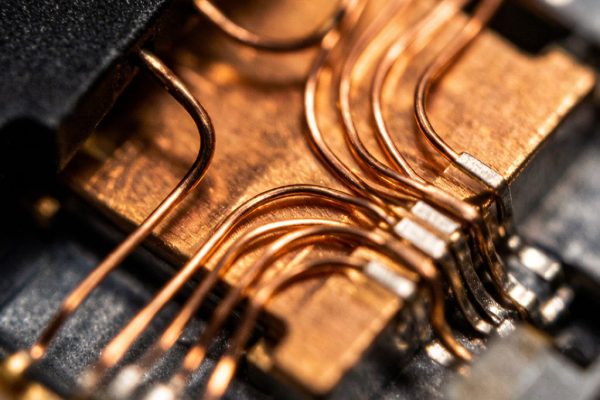
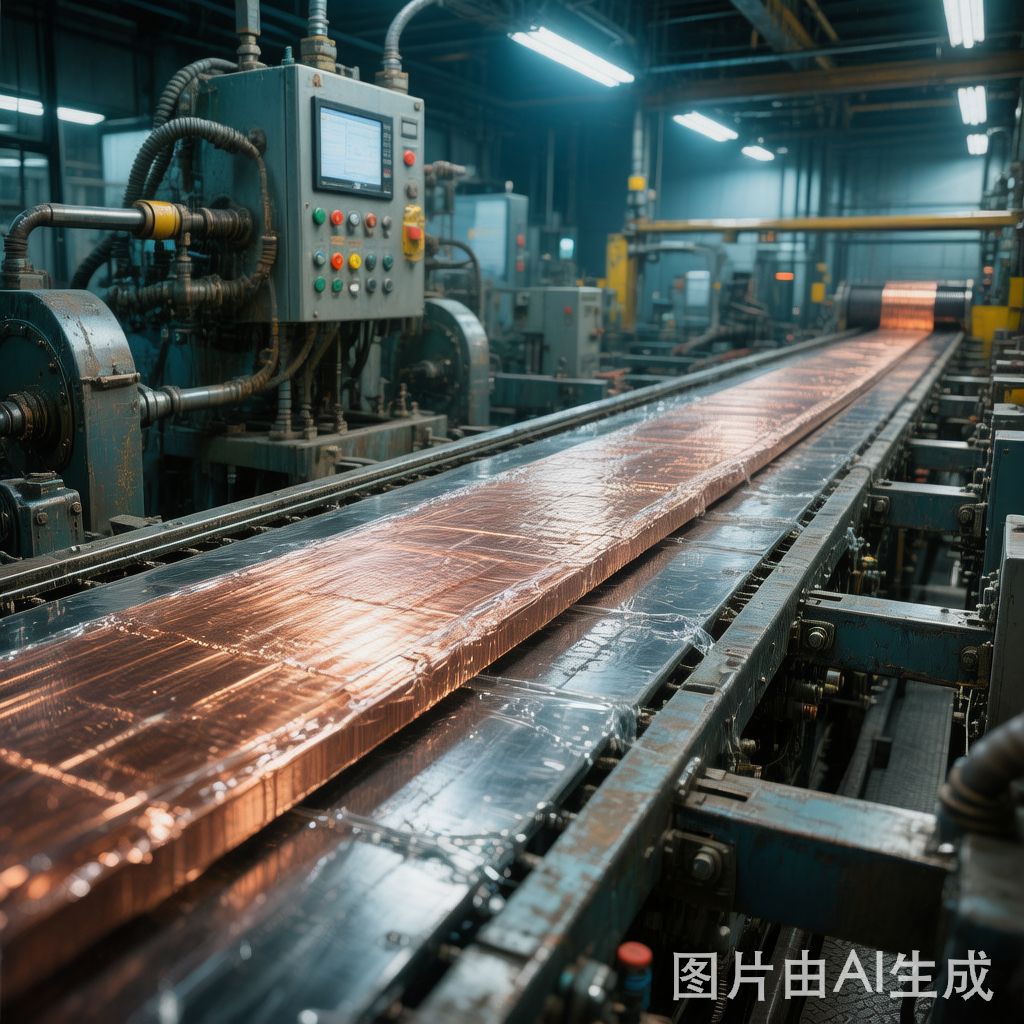
Bare copper strips are the backbone of SMT (Surface Mount Technology) electronics, serving as critical conductive paths in PCB assemblies, EMI shielding components, and thermal management solutions. However, copper’s natural tendency to oxidize poses a significant challenge for electronics manufacturers, especially in the high-humidity environments common across Southeast Asia.
When copper oxidizes, it forms a thin layer of copper oxide (Cu₂O and CuO) on the surface. This oxide layer increases contact resistance, degrades solderability, and can ultimately lead to co
ection failures in finished products. For SMT operations producing components for automotive, telecommunications, and consumer electronics, even minor oxidation can result in costly rework or field failures.
Understanding the Oxidation Process
Copper oxidation is an electrochemical process accelerated by three primary factors:
- Moisture: Water molecules facilitate the electron transfer that drives oxide formation. Relative humidity above 60% significantly accelerates the process.
- Temperature: Higher temperatures increase molecular activity. In tropical climates where ambient temperatures regularly exceed 30°C, oxidation rates can be 2-3 times faster than in temperate regions.
- Airborne contaminants: Sulfur compounds, chlorides, and acidic gases in industrial environments act as catalysts for copper corrosion.
In SMT copper strip applications, the oxidation concern is particularly acute because these strips often have large surface-area-to-volume ratios, meaning a relatively high percentage of the conductive material is exposed to the environment.
Prevention Method 1: Protective Coatings
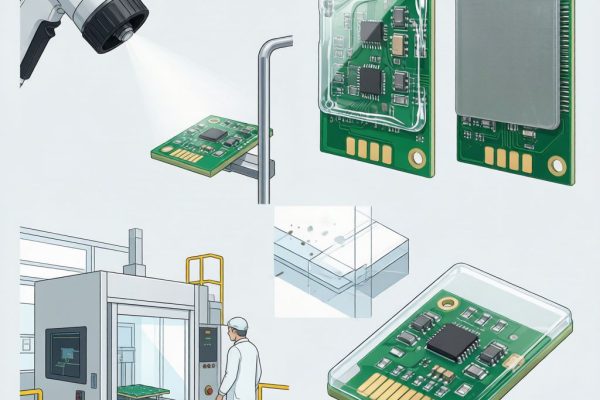
The most common approach to preventing oxidation on SMT copper strips is applying protective surface treatments:
Tin Plating (Sn)
Tin plating provides excellent solderability and oxidation protection. A tin layer of 3-8 μm is typically sufficient for SMT applications. Tin-plated copper strips can be stored for 12-18 months without significant degradation when properly packaged.
Nickel Plating (Ni) with Gold Flash
For high-reliability applications, a nickel barrier layer (2-5 μm) topped with a thin gold flash (0.05-0.2 μm) provides superior oxidation resistance. The nickel acts as a diffusion barrier while the gold protects the nickel from oxidizing. This combination is standard in automotive and aerospace electronics.
Organic Surface Preservatives (OSP)
OSP coatings such as benzimidazole-based treatments provide a cost-effective, thin protective layer that preserves copper solderability. These coatings are typically 0.2-0.5 μm thick and dissolve during the soldering process, leaving no residue. However, OSP-treated copper strips have a shorter shelf life (3-6 months) and are sensitive to handling.
Prevention Method 2: Controlled Storage Environments
For manufacturers who use bare copper strips without surface treatments, environmental control is the primary defense against oxidation:
- Temperature control: Maintain storage areas at 20-25°C (68-77°F). Avoid temperature fluctuations that can cause condensation.
- Humidity control: Keep relative humidity below 40% using dehumidifiers. In Southeast Asian facilities, this often requires industrial-grade dehumidification systems.
- Nitrogen cabinets: For high-value copper components, dry nitrogen storage cabinets provide an inert atmosphere that virtually eliminates oxidation. These are especially recommended for copper strips with thicknesses below 0.1 mm.
- Vacuum sealing: Vacuum-sealed bags with desiccant packs are effective for bulk storage. Use bags with moisture barrier properties (MVTR < 0.02 g/m²/day).
Prevention Method 3: Handling Best Practices
Even with proper coatings and storage, handling practices can make or break oxidation prevention efforts:
- Wear clean cotton gloves: Finger oils and moisture from bare hands accelerate localized corrosion. Cotton gloves prevent direct skin contact.
- Minimize exposure time: Only open sealed packages when the copper strips are needed for production. Reseal immediately after use.
- Use first-in, first-out (FIFO) inventory: Rotate stock to ensure older material is used first, preventing extended storage periods.
- Inspect upon receipt: Check incoming copper strips for visible oxidation before accepting delivery. Use 10x magnification for thin strips.
- Clean work surfaces: Ensure production workstations are free of chloride-containing residues, sulfur compounds, and acidic contaminants.
Assessing Oxidation Damage
When oxidation does occur, it’s important to assess the severity before deciding whether to rework or scrap the material:
- Light tarnish: A subtle color change from bright copper to a dull pink or light brown. This level of oxidation typically does not affect solderability and can be removed with mild acid dips.
- Medium oxidation: Visible brown or reddish-brown discoloration. Solderability may be degraded. Mechanical cleaning or chemical treatment may restore usability.
- Heavy oxidation: Dark brown or black surface with potential pitting. This material should generally be scrapped, as deep oxide penetration compromises the structural integrity of thin copper strips.
Conclusion
Preventing oxidation on SMT copper strips requires a multi-faceted approach combining appropriate surface treatments, controlled storage environments, and disciplined handling procedures. For manufacturers in Southeast Asia’s challenging climate, investing in proper oxidation prevention pays dividends through reduced scrap rates, improved solderability, and more reliable end products. Whether you choose tin plating, nickel-gold finishes, or OSP treatments, the key is matching your prevention strategy to your production timeline, application requirements, and storage capabilities.