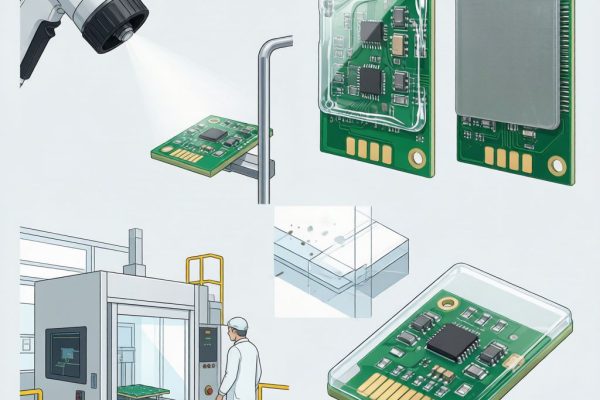
Surface Mount Technology (SMT) has revolutionized modern electronics manufacturing. Unlike through-hole technology, SMT allows electronic components to be mounted directly onto the surface of printed circuit boards (PCBs), enabling smaller, faster, and more cost-effective production.
What Is Surface Mount Technology?
SMT is an electronics assembly method where components are placed and soldered directly onto the surface of PCBs. Surface mount devices (SMDs) are the components used in this process — they are typically much smaller than through-hole components, making them ideal for compact electronic products like smartphones, laptops, and IoT devices.
Key Benefits of SMT in Electronics Manufacturing
- Higher component density: SMT allows more components per unit area, enabling miniaturization of electronic products.
- Improved electrical performance: Shorter lead lengths reduce parasitic inductance and capacitance.
- Lower production costs: Automated SMT assembly lines significantly reduce labor costs.
- Both sides mounting: Components can be placed on both sides of the PCB.
- Better mechanical performance: SMD components withstand vibration and shock better due to their low profile.
The SMT Assembly Process: Step by Step
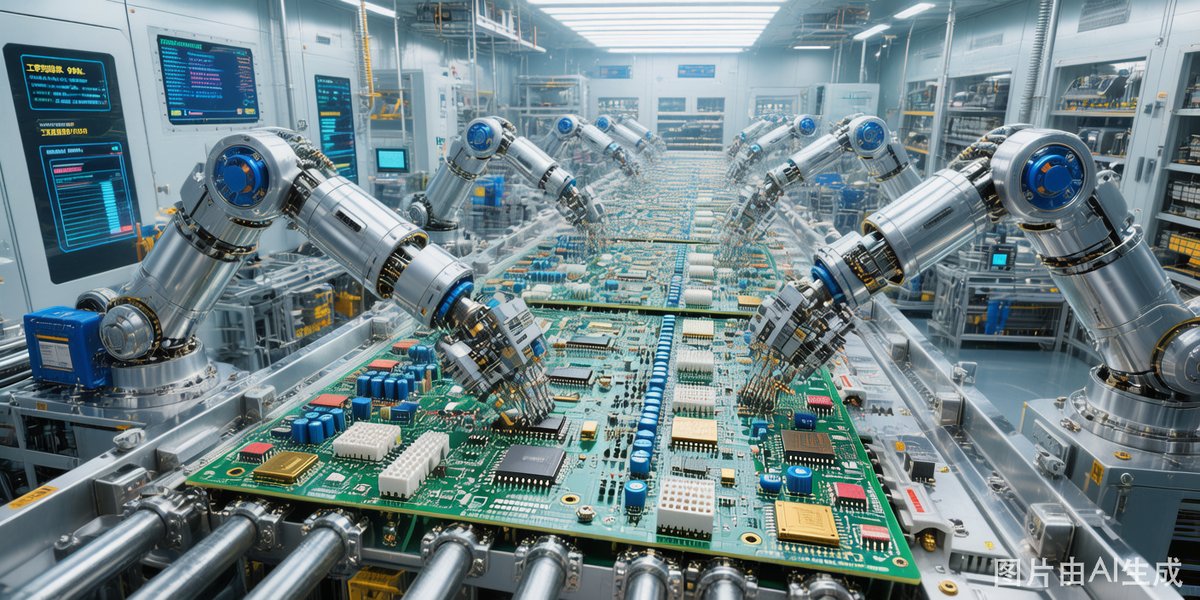
A typical SMT production line involves several critical stages:
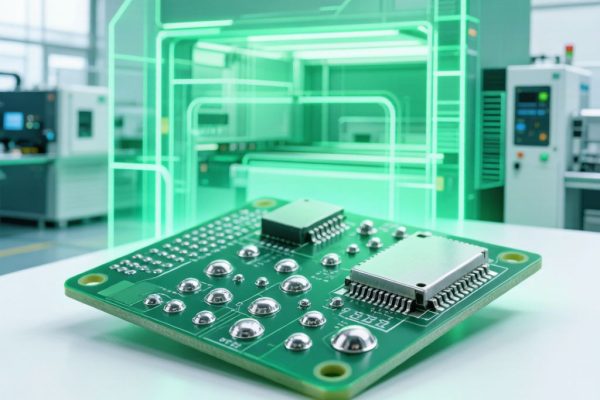
- Solder Paste Printing: A stencil printer applies solder paste to the PCB pads.
- Solder Paste Inspection (SPI): Automated systems verify paste volume and placement accuracy.
- Pick and Place: High-speed machines place SMD components precisely on the PCB.
- Reflow Soldering: The board passes through a reflow oven where solder paste melts and forms permanent joints.
- Automated Optical Inspection (AOI): Cameras detect defects such as misaligned or missing components.
- X-Ray Inspection: For BGA and hidden solder joints, X-ray provides internal inspection.
SMT vs Through-Hole Technology
While through-hole technology is still used for high-power components and co
ectors that require strong mechanical bonds, SMT dominates modern PCB assembly due to its superior density and automation compatibility. Most contemporary electronic assemblies use a combination of both technologies.
SMT Components: Common Types
The most commonly used SMT components include resistors, capacitors, inductors, diodes, transistors, integrated circuits (ICs), and co
ectors. These come in standardized packages such as 0402, 0603, 0805, SOT-23, SOIC, QFP, BGA, and more.
Choosing SMT Components and Equipment
Selecting the right SMT components and assembly equipment is critical for product quality and production efficiency. Key considerations include component package compatibility, reflow temperature profiles, PCB substrate material, and stencil design for solder paste application.
At TechMart SE, we supply a comprehensive range of SMT components and consumables to support your electronics manufacturing operations. From passive components to advanced ICs, our catalog meets the demands of modern high-volume SMT production.