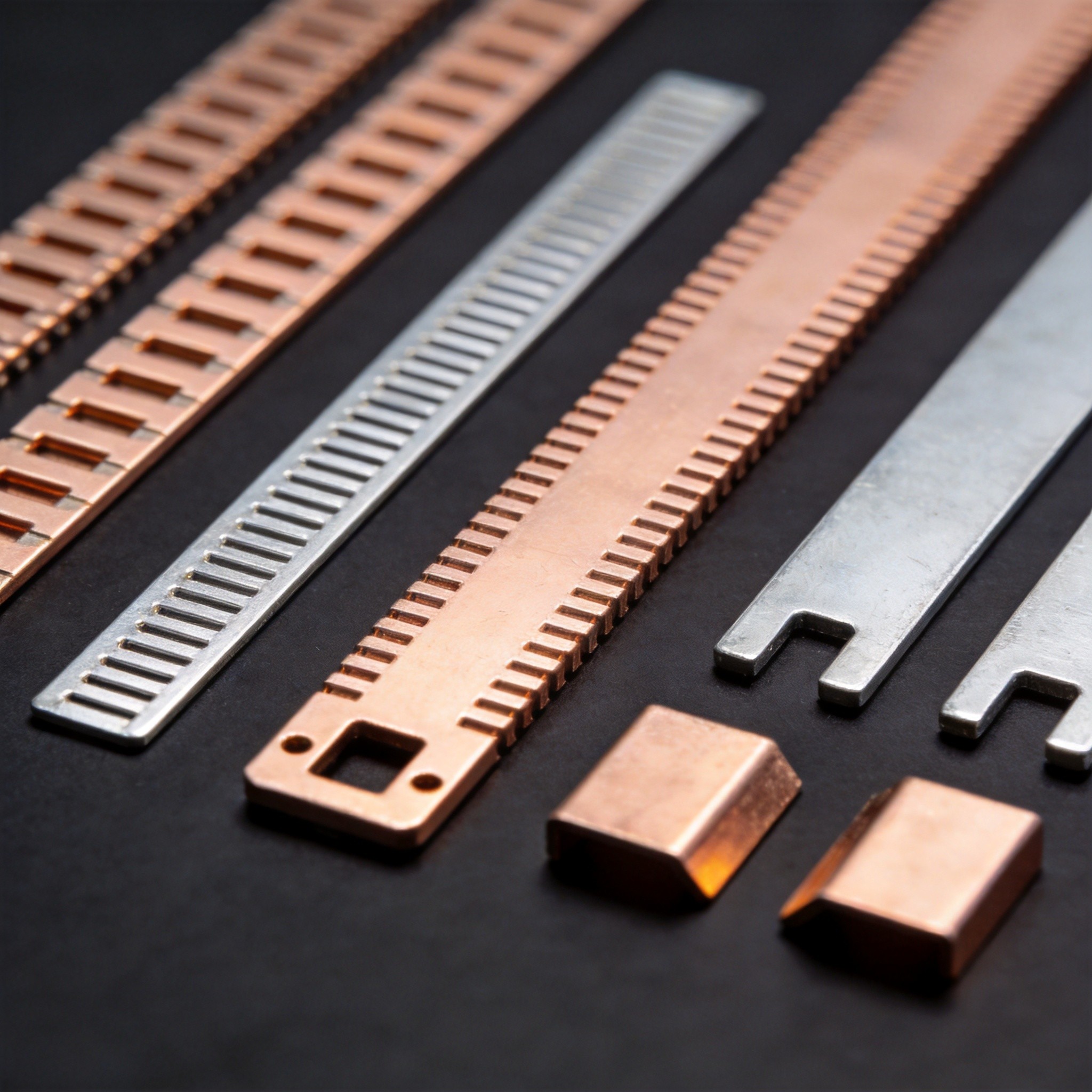
Introduction to SMT Copper Strips
In the fast-paced world of electronics manufacturing, Surface Mount Technology (SMT) has revolutionized how components are assembled onto printed circuit boards (PCBs). At the heart of this technology lies a critical component: the SMT copper strip. These precision-engineered metal pieces serve as essential conductive elements in countless electronic devices, from smartphones to automotive systems.
What Exactly is an SMT Copper Strip?
An SMT copper strip is a thin, precisely manufactured piece of copper alloy designed for surface mount applications. Unlike traditional through-hole components, these strips are engineered to be placed directly onto the surface of a PCB, where they are soldered in place using reflow ovens or similar equipment.
These components come in various forms:
- Bare copper strips – Pure copper with no plating, offering maximum conductivity
- Nickel-plated copper strips – Enhanced corrosion resistance with a thin nickel layer
- Tin-plated copper strips – Improved solderability and oxidation protection
- Gold-plated contact strips – Premium option for high-reliability applications
Key Specifications and Materials
Dimensional Standards
SMT copper strips are manufactured to strict tolerances, typically ranging from 0.1mm to 3.0mm in thickness, with widths varying based on specific application requirements. The precision in manufacturing ensures consistent electrical and thermal performance across production runs.
Material Composition
The base material is typically high-purity copper (C11000 or similar), known for its excellent electrical conductivity (approximately 101% IACS). Additional alloys may be incorporated to enhance specific properties such as strength, hardness, or thermal resistance.
Common Applications in Electronics
SMT copper strips serve multiple critical functions:
- Battery co
ection tabs
– Providing conductive pathways in lithium-ion and other battery packs - Thermal management – Dissipating heat from power electronics and LED systems
- PCB co
ectors
– Creating reliable electrical coections between components
- Shielding applications – EMI/RFI shielding in sensitive electronic equipment
- Automotive electronics – ECUs, sensors, and power distribution systems
Why Quality Matters
The performance and reliability of electronic devices depend heavily on the quality of SMT components. Inferior copper strips can lead to:
- Increased electrical resistance causing heat buildup
- Premature failure due to corrosion or material degradation
- Inconsistent soldering leading to production defects
- Thermal management failures in high-power applications
Sourcing Quality SMT Copper Strips
When selecting a supplier for SMT copper components, look for manufacturers that offer:
- Consistent material composition and purity certifications
- Tight dimensional tolerances and quality control documentation
- Multiple plating options to suit your specific application
- Technical support for material selection and customization
At TechMart SE, we specialize in providing premium SMT copper strips and components to electronics manufacturers across Southeast Asia. Our extensive inventory includes bare copper, nickel-plated, tin-plated, and specialty alloy strips to meet your exact specifications.
Conclusion
Understanding SMT copper strips is essential for electronics manufacturers seeking to optimize their designs and ensure product reliability. Whether you are developing consumer electronics, automotive systems, or industrial equipment, selecting the right copper strip for your application is a critical decision that impacts both performance and cost-effectiveness.
Stay informed about the latest developments in SMT technology and material science to make educated decisions for your next electronics project.
