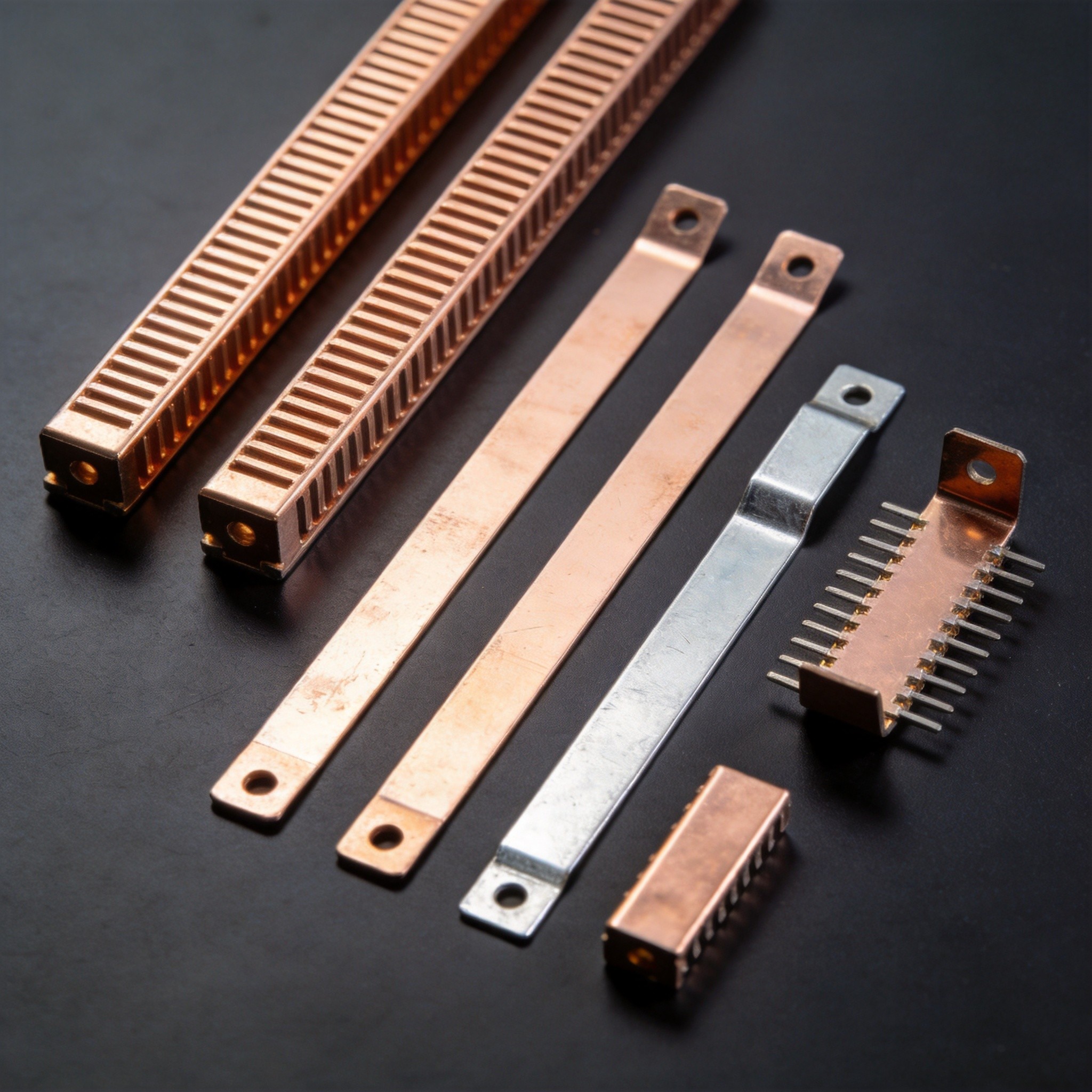
The Critical Role of Thermal Management in Electric Vehicles
As electric vehicles (EVs) continue to reshape the automotive landscape, the importance of effective thermal management in battery systems ca
ot be overstated. At the core of these solutions lies a surprisingly traditional material: copper. SMT copper strips and specialized thermal management components are becoming essential elements in next-generation EV battery designs.
Why Battery Thermal Management Matters
Electric vehicle battery packs generate significant heat during charging and discharging cycles. This thermal energy, if not properly managed, leads to:
- Reduced battery life – High temperatures accelerate degradation of lithium-ion cells
- Safety risks – Thermal runaway poses serious safety conces
- Performance degradation – Excessive heat reduces available capacity and power output
- Charging inefficiencies – Temperature affects charging speed and battery acceptance
Modern EVs require sophisticated thermal management systems that can maintain optimal battery temperatures between 15°C and 35°C across diverse operating conditions.
Copper Strips in EV Battery Applications
Current Carrying Components
Copper strips serve as primary current conductors within battery modules and packs. Their functions include:
- Cell interco
ects
– Linking individual battery cells in series and parallel configurations - Bus bars – Distributing current throughout the battery pack
- Main power terminals – Co
ecting the battery pack to vehicle power systems
- Grounding co
ections
– Ensuring electrical safety throughout the system
Thermal Conduction Pathways
Beyond electrical conductivity, copper strips contribute significantly to thermal management:
- Heat spreading – High thermal conductivity (401 W/m·K) distributes heat across larger surfaces
- Heat transfer to cooling plates – Copper components efficiently transfer heat to liquid cooling systems
- Temperature equalization – Helps maintain uniform temperature distribution across battery cells
Design Considerations for EV Battery Copper Components
Material Selection
Not all copper is created equal for EV applications. Consider these factors:
- Purity – High-purity copper (C11000) ensures maximum conductivity and thermal performance
- Plating – Nickel or tin plating provides corrosion protection while maintaining performance
- Alloy modifications – Some applications benefit from copper alloys with enhanced strength
Dimensional Requirements
EV battery systems require copper strips with precise specifications:
- Cross-sectional area sized for current-carrying capacity with appropriate safety margins
- Lengths customized to specific module configurations
- Surface finishes optimized for welding or soldering processes
Co
ection Methods
Modern EV battery designs employ various co
ection techniques:
- Laser welding – Provides high-strength, low-resistance joints
- Ultrasonic bonding – Used for cell tab co
ections
- Mechanical fasteners – Bolted co
ections for serviceability
- Soldering – Traditional method for smaller components
Advanced Thermal Management Strategies
Integrated Cooling Systems
Leading EV manufacturers integrate copper components directly with cooling systems:
- Copper strips bonded to cooling plates
- Thermal interface materials (TIM) between components
- Direct liquid cooling of bus bars
Phase Change Materials (PCM)
Some designs incorporate phase change materials alongside copper thermal pathways to absorb heat during peak loads and release it gradually.
Smart Temperature Monitoring
Copper components often integrate temperature sensing elements, providing real-time data for battery management systems (BMS) to optimize charging and discharging pattes.
Emerging Technologies
The EV industry continues to i
ovate in thermal management:
- Direct cooling – Battery cells with integrated cooling cha
els
- Thermal runaway prevention – Advanced materials to contain failures
- Wireless battery monitoring – Smart sensors embedded in copper structures
Sourcing Components for EV Battery Applications
When selecting copper strips for electric vehicle thermal management, partner with suppliers who understand:
- Automotive quality requirements (IATF 16949)
- Traceability and documentation needs
- Custom fabrication capabilities
- Volume production capacity
TechMart SE supplies premium copper strips and thermal management components to EV manufacturers and battery system integrators throughout Southeast Asia. Our products meet stringent quality standards for automotive applications, including specialized heat dissipation copper strips designed specifically for battery management systems.
Conclusion
Copper strips play an indispensable role in electric vehicle battery thermal management, combining superior electrical and thermal conductivity to enhance performance, safety, and longevity. As the EV industry evolves, the importance of quality copper components will only continue to grow.
Whether you are developing next-generation battery systems or optimizing current designs, investing in proper thermal management with quality copper components is essential for success in the competitive EV market.
