Outdoor electronics in tropical climates face a harsh combination of intense ultraviolet radiation, high humidity, cyclic rainfall, and elevated temperatures. Acrylonitrile styrene acrylate (ASA) is a thermoplastic specifically engineered to resist UV-induced degradation better than ABS or polycarbonate blends, making it a preferred material for outdoor enclosures, junction boxes, solar equipment housings, and telecom cabinets. This article explains the chemistry behind ASA weatherability, how UV stabilizers extend service life, processing considerations for injection molding, and what to expect for mechanical and color retention over time.
Why ASA for Tropical Outdoor Applications
ASA shares the mechanical processability of ABS but replaces the polybutadiene rubber phase—which is highly vulnerable to UV and oxidative attack—with an acrylic rubber phase. The saturated acrylate backbone is far more resistant to chain scission and discoloration under sunlight. Key advantages for tropical outdoor electronics include:
- Superior UV resistance: Natural ASA retains appearance and impact strength far longer than unpigmented ABS.
- Good heat resistance: Heat deflection temperatures of 85–100°C allow use in sun-exposed enclosures.
- Excellent color stability: Pigmented ASA grades show minimal yellowing or chalking.
- Toughness across temperature: Izod impact values of 200–400 J/m remain useful even after outdoor aging.
- Hydrolytic stability: Better resistance to hot, humid conditions than some polyesters.
UV Degradation Mechanisms
Solar radiation in tropical regions contains significant UV-B (280–315 nm) and UV-A (315–400 nm) energy. When photons are absorbed by polymer chromophores, they initiate photochemical reactions that break polymer chains, create free radicals, and generate carbonyl groups. The visible results are:
- Chalking: Surface polymer matrix breaks down, exposing filler particles.
- Discoloration: Yellowing or fading due to conjugated degradation products.
- Embrittlement: Chain scission reduces molecular weight and impact strength.
- Cracking: Surface stresses combined with embrittlement lead to microcracks that admit moisture.
Tropical humidity accelerates degradation by allowing hydrolysis and by leaching out unbound stabilizers. Salt-laden coastal air adds chemical stress that can attack metal inserts and surface finishes.
Stabilization Package Formulation
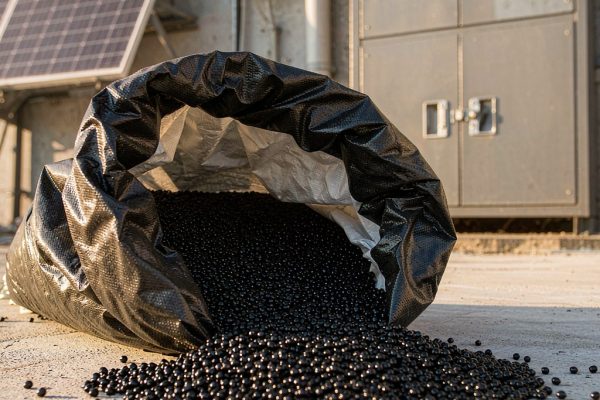
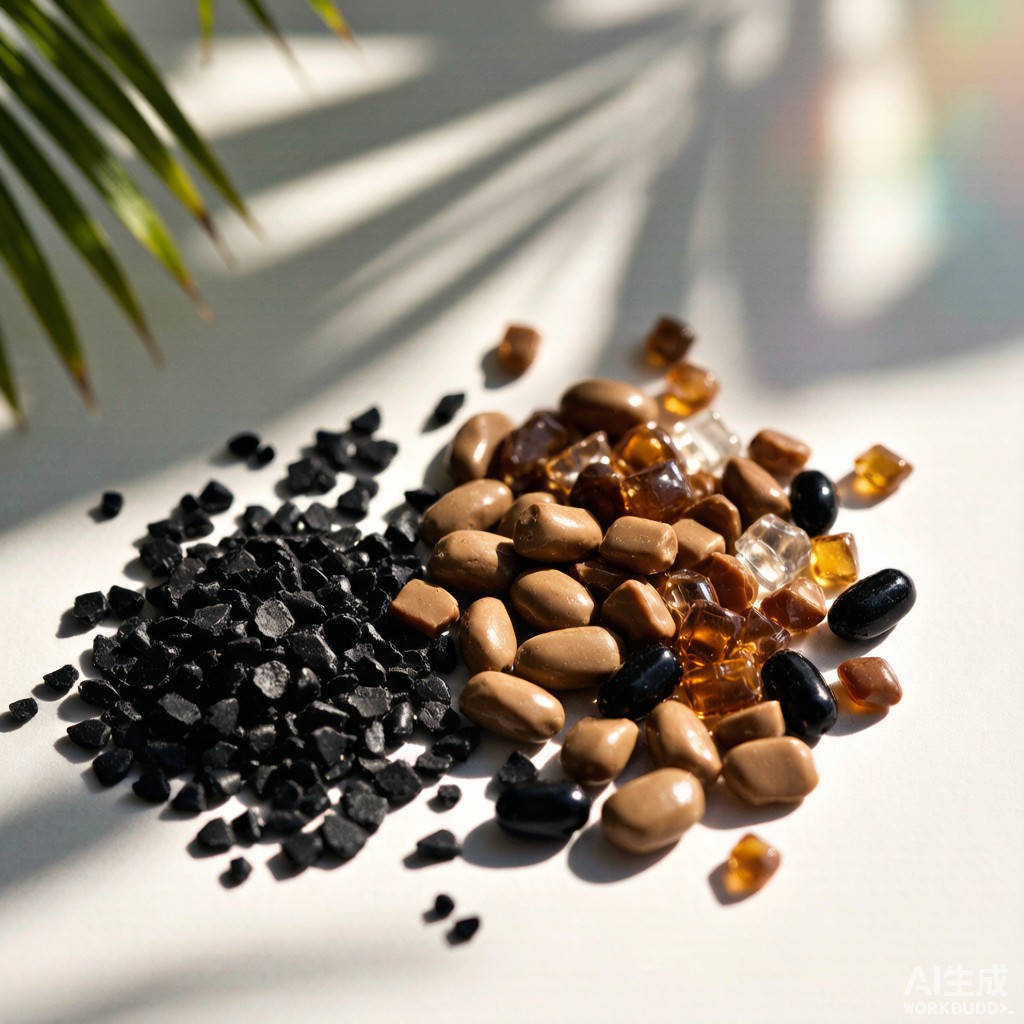
UV-stabilized ASA pellets incorporate a synergistic package of stabilizers. The exact formulation depends on color, wall thickness, expected service life, and cost targets.
| Stabilizer Type | Function | Typical Examples |
|---|---|---|
| UV Absorbers (UVA) | Absorb UV and dissipate as heat | Benzotriazole, triazine, benzophenone |
| Hindered Amine Light Stabilizers (HALS) | Scavenge free radicals | Chimassorb 944, Tinuvin 770 |
| Antioxidants (AO) | Prevent thermal oxidation during processing | Phenolic primary AO, phosphite secondary AO |
| Pigments | Block UV and provide color | Titanium dioxide, carbon black, inorganic pigments |
A common starting formulation for dark-colored outdoor electronics might include 0.3% benzotriazole UVA, 0.3% oligomeric HALS, 0.2% phenolic antioxidant, and 2% carbon black. For light colors, higher UVA and HALS loadings are needed because light pigments transmit more UV energy.
Mechanical Property Retention
Long-term outdoor exposure testing shows that properly stabilized ASA retains a much higher percentage of its original properties than unstabilized ABS. Accelerated weathering according to ASTM G154 (UV-A fluorescent lamps) or ASTM G155 (xenon arc) is commonly used to compare grades.
| Property | Initial ASA | After 3,000 Hours Xenon Arc |
|---|---|---|
| Tensile Strength | 40–45 MPa | 35–40 MPa |
| Flexural Modulus | 2,000–2,300 MPa | 1,900–2,200 MPa |
| Izod Impact | 250–350 J/m | 180–250 J/m |
| Color Change ΔE | — | <3 (pigmented grade) |
Field correlation between accelerated tests and tropical exposure is not exact, but 3,000 hours of xenon arc generally correlates with 2–4 years of outdoor service in Southeast Asian climates. Thicker wall sections degrade more slowly than thin sections because UV penetration is limited to the outer 100–300 μm.
Processing Guidelines
ASA processes similarly to ABS but requires attention to moisture and temperature to preserve stabilizers and surface quality.
- Drying: Dry pellets to <0.05% moisture at 80–85°C for 3–4 hours before molding. Excess moisture causes splay and hydrolysis during processing.
- Melt temperature: 220–250°C barrel profile. Higher temperatures can degrade HALS and discolor the melt.
- Mold temperature: 60–80°C for good surface finish and lower molded-in stress.
- Residence time: Minimize to avoid thermal degradation; use the smallest shot size consistent with the machine.
- Regrind: Limit regrind to 10–20% because each heat history reduces stabilizer effectiveness and can introduce color variation.
Color and Aesthetic Durability
Color choice significantly affects long-term appearance. Dark colors absorb more solar energy, raising surface temperature and accelerating thermal oxidation. Light colors reflect more radiation but may show dirt and algae growth in humid environments. For tropical electronics housings, medium-to-dark colors with high-quality inorganic pigments and carbon black often provide the best combination of UV stability and heat dissipation. Gloss level also matters: high-gloss surfaces show scratches and chalking more readily than textured finishes.
Conclusion
UV-stabilized ASA plastic pellets offer a balanced solution for outdoor electronics housings in tropical climates. Their inherent acrylic rubber phase provides better UV resistance than ABS, while carefully formulated stabilizer packages extend color and mechanical property retention for years. By controlling processing conditions and selecting appropriate pigments and wall thicknesses, manufacturers can produce enclosures that maintain both function and appearance under intense sun, humidity, and heat.