Outdoor smoking booths provide a contained space where smokers can use cigarettes without exposing non-smokers to secondhand smoke. But a poorly ventilated booth quickly becomes an uncomfortable, unhealthy box. Effective smoking booth ventilation design must remove airborne particulates, control odors, and maintain negative pressure so smoke does not drift into surrounding areas.
Why Ventilation Is Critical
Cigarette smoke contains thousands of chemical compounds, including particulate matter, carbon monoxide, formaldehyde, and volatile organic compounds. In an enclosed booth, concentrations can exceed ambient outdoor levels by a factor of ten within minutes. Without extraction, the booth becomes unpleasant and potentially hazardous for both users and maintenance staff.
Good ventilation also protects the structure itself. Resinous smoke deposits stain walls, clog filters, and accelerate corrosion of metal surfaces. Over time, neglected booths develop persistent odors that are difficult to remove.
Key Design Parameters
Air Changes Per Hour
Most guidelines recommend a minimum of 30 air changes per hour for smoking rooms. For a small booth of 4 m³ volume, that means extracting at least 120 m³ of air every hour. Higher rates improve comfort but increase fan noise and energy use.
Capture Velocity
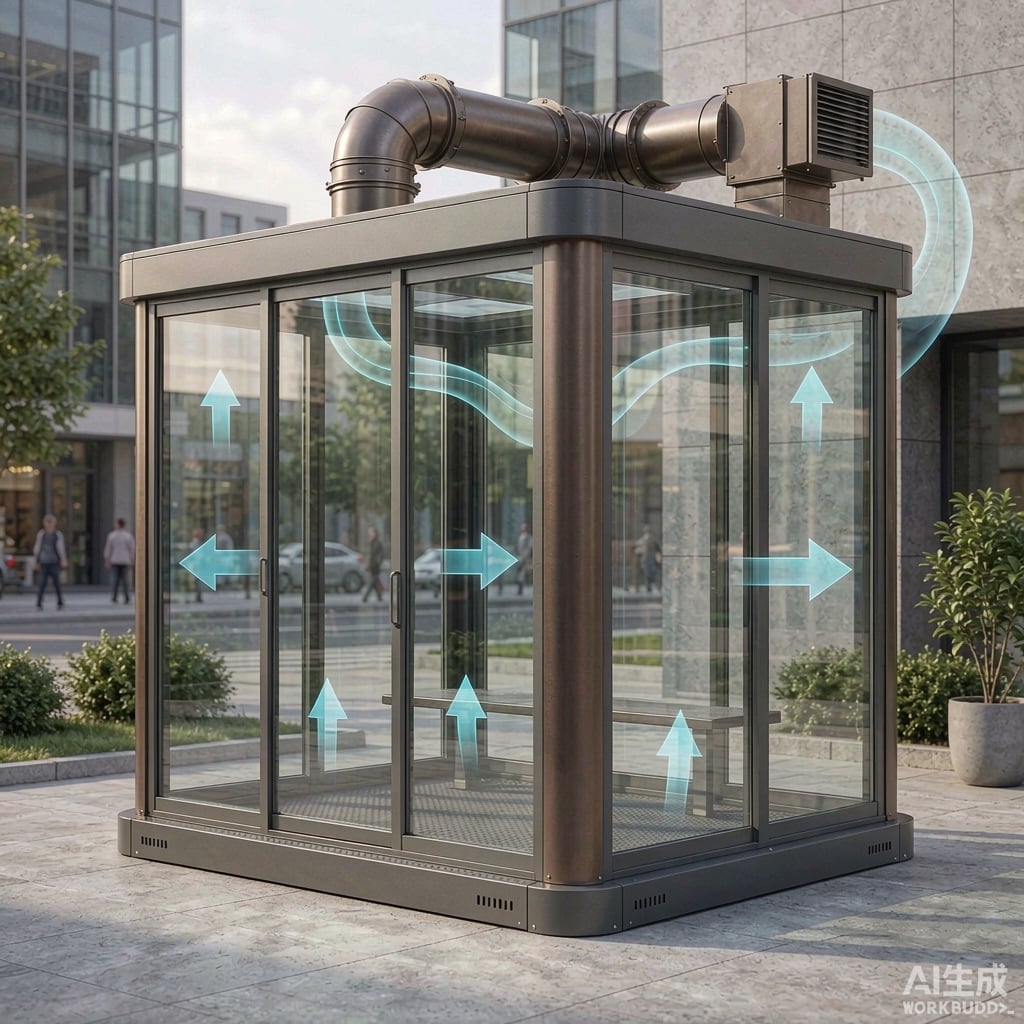
Air inlet and outlet placement should create a directed airflow across the breathing zone. A capture velocity of 0.25–0.5 m/s at the cigarette source helps draw smoke away from the user’s face and toward the exhaust before it disperses.
Negative Pressure
The exhaust airflow should exceed the supply airflow so the booth operates under negative pressure relative to adjacent spaces. This prevents smoke from leaking out through door gaps. A pressure differential of 5–10 Pascals is usually sufficient.
Filtration Stages
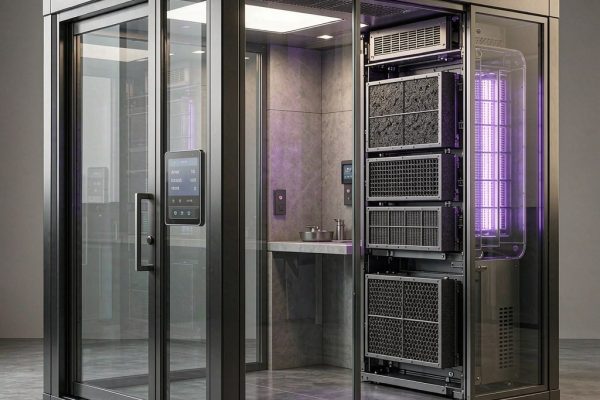
Directly exhausting untreated smoke outdoors may violate local air-quality rules or disturb nearby pedestrians. A multi-stage filtration system treats the air before discharge:
- Pre-filter: Captures large ash particles and extends the life of downstream filters.
- HEPA filter: Removes fine particulate matter down to 0.3 microns.
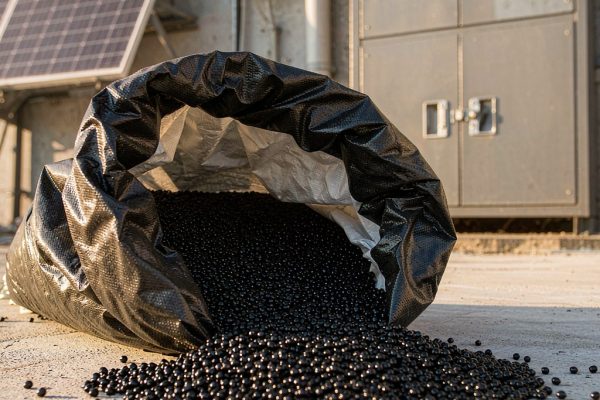
- Activated carbon filter: Adsorbs odors, VOCs, and gaseous pollutants.
- Electrostatic precipitator (optional): Captures sub-micron particles with low pressure drop.
Fan and Ducting Considerations
Choose corrosion-resistant fans rated for continuous operation. Inline centrifugal fans are quieter and more efficient than axial fans for ducted systems. Ductwork should be smooth, with minimal bends, and sized so air velocity stays below 8 m/s to avoid excessive noise.
Compliance and Placement
Local regulations vary, but common requirements include minimum distances from building entrances, operable windows, and air intakes. Many jurisdictions also require visible signage, fire-safe ashtrays, and limits on booth occupancy. Before installation, consult municipal codes and facility smoking policies.
Maintenance Best Practices
Filters should be inspected monthly and replaced according to pressure-drop indicators. Ash trays need daily emptying, and interior surfaces should be cleaned with degreasing agents quarterly. Keeping maintenance logs helps demonstrate compliance during audits.
Conclusion
A well-designed smoking booth ventilation system protects public health, preserves the booth structure, and keeps facilities compliant with local regulations. By combining sufficient airflow, negative pressure, and multi-stage filtration, operators can create a smoking area that is both functional and neighbor-friendly.