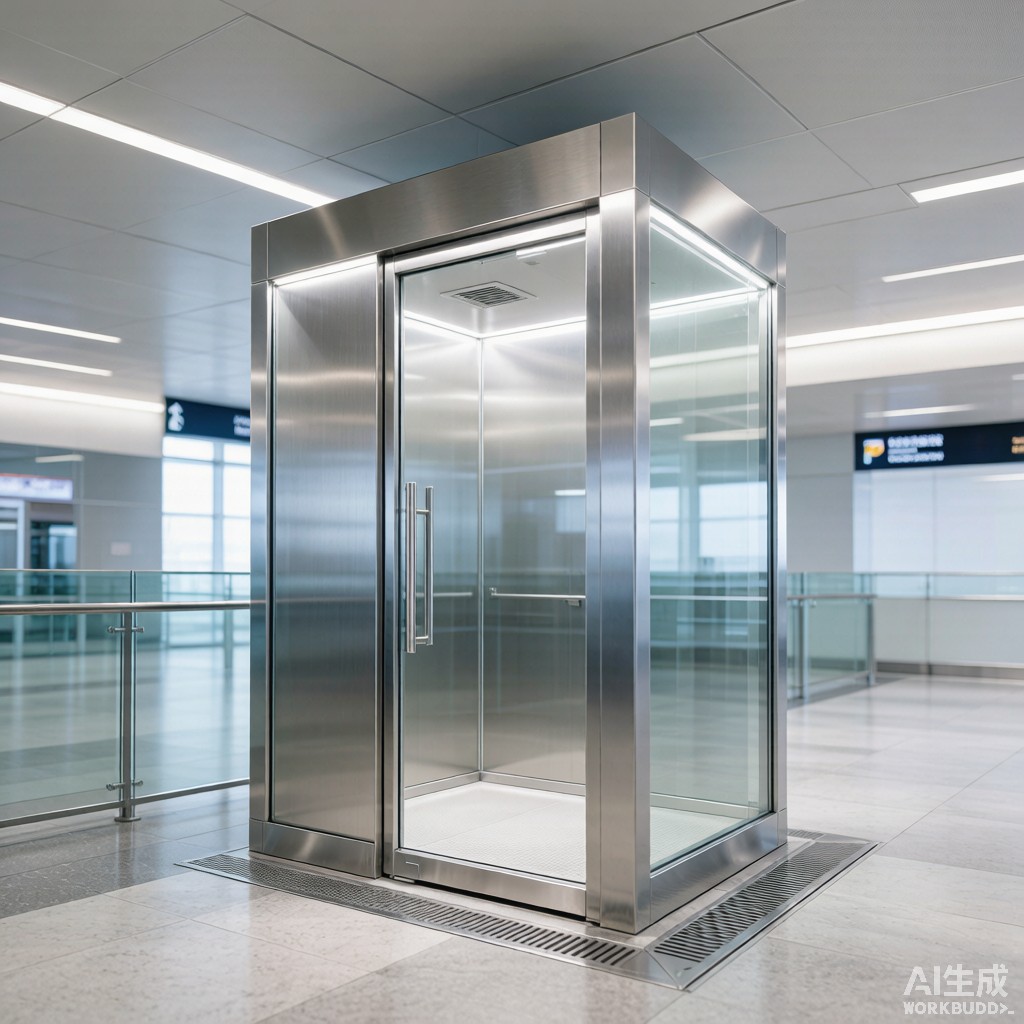
Transport hubs such as airports, bus terminals, and train stations handle thousands of passengers per day, and their smoking booths must manage tobacco smoke, litter, and odor in ways that protect non-smokers and maintain facility cleanliness. A well-designed smoking booth is more than a ventilated enclosure; it is a controlled environment that requires systematic sanitation, effective odor neutralization, and predictable maintenance. This article reviews the sources of residual odor, daily cleaning protocols, neutralization technologies, filter replacement strategies, and passenger-facing hygiene features that keep high-traffic smoking booths acceptable to operators and users.
Sources of Residual Odor in Smoking Booths
Tobacco smoke is a complex aerosol containing thousands of compounds. The components most responsible for lingering odor include:
- Nicotine and pyridine alkaloids: These deposit on surfaces and continue to volatilize long after smoking stops.
- Tar and particulate matter: Fine particles settle on walls, floors, furniture, and filters, creating a yellowish film.
- Volatile organic compounds (VOCs): Acetaldehyde, acrolein, benzene, and toluene contribute to the stale smoke smell.
- Thirdhand smoke: Residue that accumulates on porous and non-porous surfaces and re-emits into the air over time.
In humid tropical climates common to Southeast Asia, these residues absorb moisture, accelerating odor release and microbial growth on surfaces. This makes sanitation frequency and material selection especially important.
Daily Cleaning Protocols
A consistent daily routine prevents residue accumulation and keeps the booth presentable. The protocol should be documented and signed off by facility staff.
| Task | Frequency | Method / Product |
|---|---|---|
| Empty ash receptacles | 2–4 times daily | Metal liner replacement, no water |
| Wipe hard surfaces | Daily | pH-neutral degreaser on glass, steel, plastic |
| Floor cleaning | Daily | Dry mop + damp microfiber; avoid excess water near electronics |
| Seat upholstery | Weekly or as needed | Steam clean or approved solvent for non-porous vinyl |
| Light fixture lenses | Weekly | Glass cleaner; check for tar film |
Cleaning agents should be compatible with the booth materials. Avoid ammonia on polycarbonate windows, and avoid abrasive powders on painted or powder-coated steel. Surfaces with anti-graffiti or non-stick coatings can be wiped more aggressively, reducing labor time.
Odor Neutralization Technologies
Removing odor requires more than masking it with fragrance. Effective systems combine physical filtration, adsorption, and chemical oxidation.
Multi-Stage Filtration
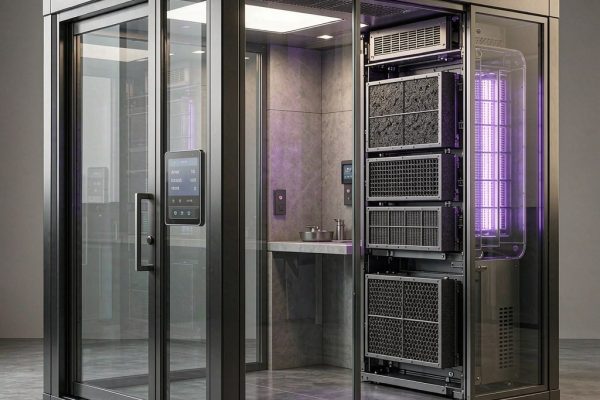
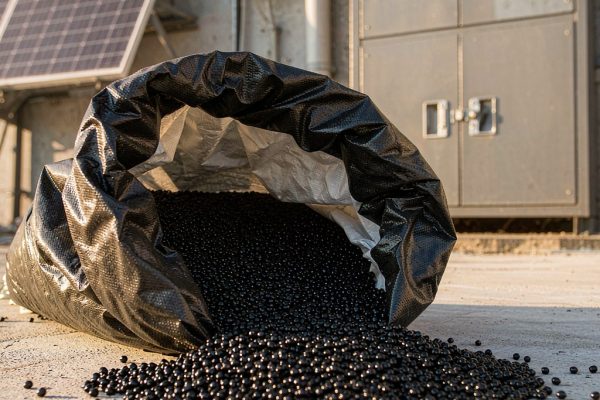
Air handling in a transport-hub booth typically follows a pre-filter → HEPA → activated carbon sequence. A G4 pre-filter removes coarse ash and lint. A H13 HEPA filter captures 99.95% of fine particulate, including tar aerosols. Activated carbon adsorbs VOCs and nicotine vapor. For maximum odor control, carbon can be impregnated with potassium iodide or potassium permanganate to target specific gases.
Ozone and Photocatalytic Oxidation
Some installations add controlled low-level ozone or UV-photocatalytic modules to oxidize odor molecules. Ozone must be kept below occupational exposure limits (typically 0.05–0.10 ppm over 8 hours) and should be destroyed before air is exhausted. Photocatalytic titanium dioxide coatings generate hydroxyl radicals when illuminated by UV-A LEDs, breaking down organic odor compounds without producing residual ozone.
Negative Pressure Containment
Maintaining the booth at −5 to −12.5 Pa relative to surrounding spaces ensures that odor does not drift into corridors or gate areas. Exhaust airflow should be sized for 20–40 air changes per hour, depending on occupancy and local codes.
Filter Replacement Scheduling
Filter life in high-traffic transport hubs is shorter than in low-use office settings. A predictive schedule based on traffic volume and pressure-drop monitoring prevents both premature odor breakthrough and u
ecessary replacement costs.
- Pre-filter: Replace every 2–4 weeks or when pressure drop increases by 50%.
- HEPA filter: Replace every 3–6 months, or when airflow falls below design minimum.
- Activated carbon: Replace every 1–3 months; saturation is hard to detect by pressure drop, so time-based or odor-based replacement is preferred.
- Ozone destruct catalyst: Inspect a
ually; replace based on manufacturer specifications.
Modern smart booths monitor differential pressure, fan current, and VOC levels, sending alerts to facilities management when service is due.
Passenger-Facing Hygiene Features
User perception of cleanliness influences whether smokers use the booth or stand nearby. Features that improve hygiene perception include:
- Touchless operation: Automatic doors, sensor-activated fans, and no-touch ashtrays reduce surface contact.
- Hand sanitizer stations: Mounted at entry/exit encourage use after smoking.
- Visible airflow indicators: A small LED or display confirming that ventilation is active reassures occupants.
- Waste bins with liners: Covered, self-extinguishing receptacles reduce odors and fire risk.
- Anti-microbial surfaces: Copper alloy or silver-ion treated touch surfaces can reduce bacterial load.
Maintenance Documentation
Transport authorities and airport operators often require documented proof of sanitation and maintenance. A log should record:
- Date, time, and staff member performing each cleaning task.
- Filter replacement dates, part numbers, and pressure-drop readings.
- Any odor complaints and corrective actions taken.
- A
ual third-party air quality testing results, if required by regulation.
Conclusion
Smoking booths in transport hubs must balance user convenience with rigorous odor and hygiene control. A combination of multi-stage filtration, scheduled deep cleaning, controlled negative pressure, and smart monitoring keeps these facilities acceptable in busy public environments. Operators who treat sanitation as a scheduled system—not an afterthought—achieve lower complaint rates, longer filter life, and safer, more pleasant spaces for travelers and staff.