Southeast Asia has some of the strictest and fastest-evolving smoking control laws in the world, and they shape what a compliant smoking booth can be. Suppliers and facility managers who design or buy smoking booths for airports, factories, hospitals, and commercial buildings in the region need to track three regimes in particular: Singapore, Malaysia, and Thailand. This guide summarizes the rules that matter for booth design and siting, with the caveat that enforcement details change, so always confirm current requirements with the national authority before installation.
Singapore: The Strictest Framework
Smoking in Singapore is prohibited in all indoor public places and in an expanding list of outdoor areas under the Smoking (Prohibition in Certain Places) Act, administered by the National Environment Agency. Smoking is only permitted in clearly marked Designated Smoking Areas, or DSAs, at approved locations such as parts of Changi Airport, some cooling centers, and specified zones in parks and on premises granted approval.
What the DSA Rules Require
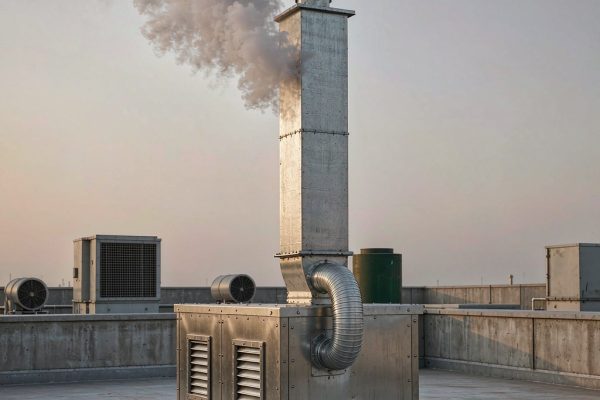
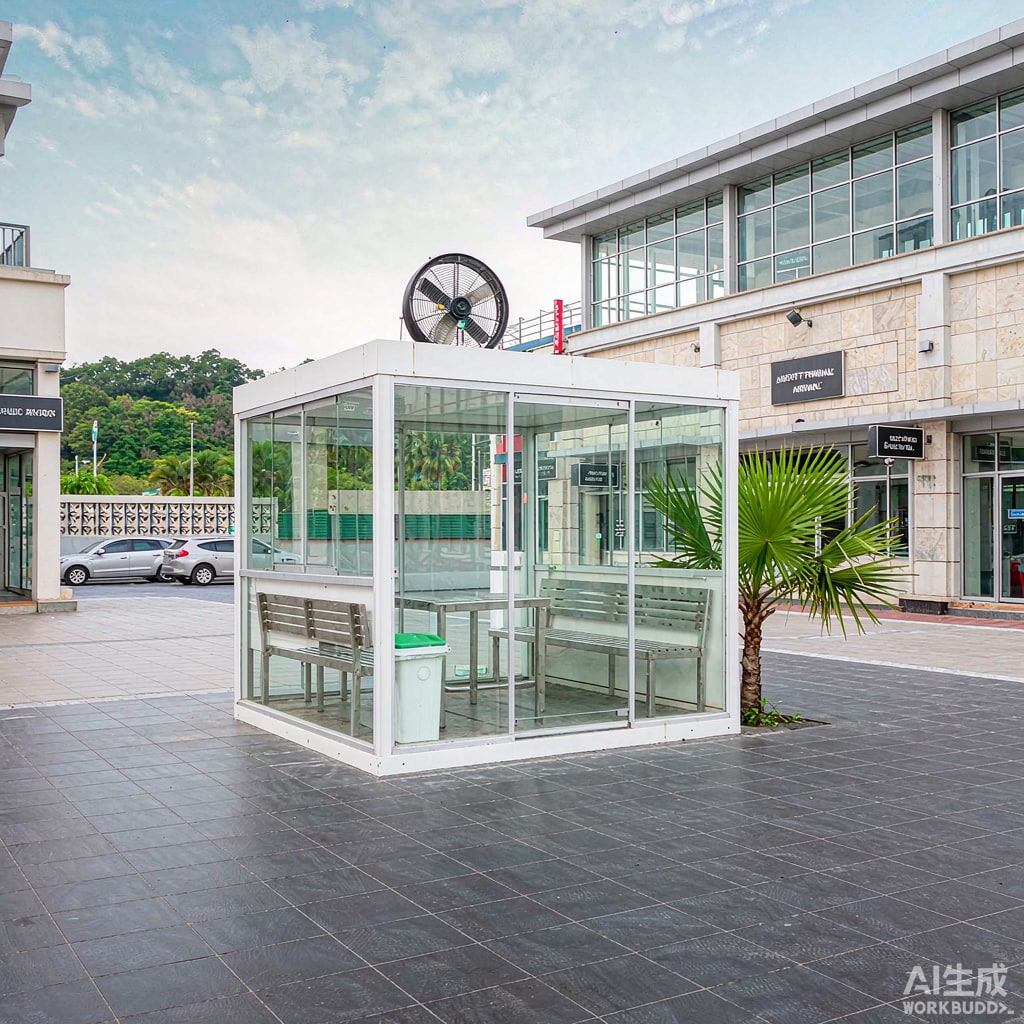
An approved DSA must be an enclosed or effectively screened space with mechanical extraction designed so smoke does not escape to neighboring non-smoking areas; practical specifications call for dedicated extract ventilation on the order of 10 air changes per hour with the enclosure held at negative pressure relative to surroundings, and no food or drink may be sold or consumed inside. Signage is prescribed, ash receptacles must be provided, and the operator is responsible for keeping minors out. For booth suppliers, Singapore effectively defines the product: a sealed, negatively pressurized, filtered cabin with controlled entry and clear signage, which is precisely the walk-in smoking booth architecture already standard in airports.
Malaysia: Distance Rules and Enforced Perimeters
Malaysia prohibits smoking in most indoor public places and workplaces under regulations made under the Food Act 1985, notably the Control of Tobacco Product Regulations. The operative design constraint for booths is distance: smoking is ba
ed within 3 meters of building entrances and exits, and within defined distances of air intake points, so any smoking area, booth or open, must be sited beyond those perimeters and away from HVAC fresh-air intakes. Shisha and vaping face parallel restrictions, with a nationwide ban on e-cigarette use in the same public places where smoking is prohibited.
Design Implications for Malaysian Sites
Because Malaysian law emphasizes siting distance rather than prescribing booth hardware, operators have freedom in enclosure design but carry the burden of proving smoke does not migrate toward entrances or intakes. A filtered, negatively pressurized booth with visible signage and a documented extraction path is the cleanest way to satisfy both the regulator and neighboring tenants. Industrial campuses typically place booths near loading yards or parking areas, well beyond the 3 meter entrance band and downstream of prevailing winds relative to fresh-air intakes.
Thailand: Five Meters and No Indoor Smoking
Thailand bans smoking in air-conditioned indoor public places and workplaces under the Non-Smokers Health Protection Act, and requires outdoor smoking areas to be at least 5 meters from entrances and exits, with signage and no facilities that encourage lingering, such as seating or tables in certain regulated zones. Beaches, temples, and many public parks are entirely smoke-free. Provincial and municipal authorities add local rules, so a booth approved at one Thai site may need relocation at another.
Booth Design for the Thai Market
Thai compliance leans on distance and signage rather than mandated ventilation specs, but the practical product answer is the same: an open-sided shelter fails the smoke-migration test in most real sites, while a filtered booth with extraction gives operators a defensible position. Buyers should verify with the local provincial office whether seating is permitted inside the designated area, since rules on amenities vary and have tightened over time.
Other Regional Notes
In the Philippines, national rules under the Sin Tax and tobacco regulation framework plus local ordinances, Manila and Davao being notably strict, require designated smoking areas to be outdoors or in ventilated spaces away from entrances, with Davao imposing some of the regions tightest bans. Vietnam prohibits smoking in indoor public places and requires signage; Indonesia regulates through local governments with wide variation between Jakarta and other provinces. Across all these markets, the trend is one-directional: stricter distances, more complete indoor bans, and growing vape restrictions.
A Compliance Checklist for Booth Buyers
Before specifying a smoking booth anywhere in the region, confirm five points with the local authority: whether smoking is permitted on the premises at all; the minimum siting distance from entrances, exits, windows, and air intakes; any prescribed signage and ash receptacle requirements; whether the area must be outdoors or may be enclosed with mechanical extraction; and any local rule on amenities such as seating or vending. Then match the booth specification to those constraints: negative-pressure extraction, activated carbon and particulate filtration, clear statutory signage, and no-through-draft siting. Suppliers who can document this checklist per country win tenders; those who ship the same generic booth everywhere lose them.