Why Maintenance Determines Lifespan
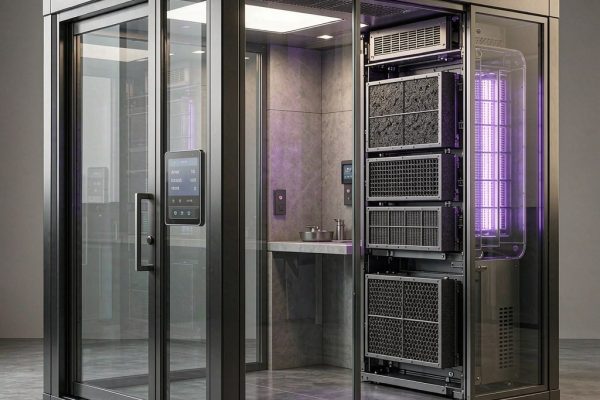
A smoking booth is a machine disguised as furniture. Its filtration, airflow, and odor control all degrade silently — filters load up, fans collect tar, door closers drift out of adjustment. A booth that passed compliance on day one can fail an air-quality inspection or drive away customers within months if upkeep lapses. A written maintenance checklist, posted and signed, is the cheapest insurance a facility can buy.
Daily Tasks (2–3 Minutes)
- Empty and wipe ashtray bins: Saturate sand or use extinguishing ashtrays; smoldering butts are the top fire cause in booths.
- Confirm airflow: Hold a tissue at the intake grille — it should pull clearly. Weak draft usually means a loaded pre-filter or a tripped fan switch.
- Check lighting and fan operation: Note any flicker, rattling, or silence; log it for service.
- Sweep or mop the floor: Cigarette butts and ash residue accumulate fastest at thresholds and corners.
- Quick glass check: Wipe heavy fingerprints and confirm no new chips or cracks in tempered panels.
Weekly Tasks
Pre-Filter Service
The washable or disposable pre-filter catches the tar and particulate bulk before the carbon stage:
- Remove and vacuum metal mesh pre-filters; wash with warm water and degreaser, dry fully before refitting.
- Replace disposable panel pre-filters when visibly grey or when differential pressure exceeds the manufacturer’s setpoint (typically 150–250 Pa).
- Record the pressure reading if a manometer is installed — trending it predicts the next change-out instead of guessing.
General Hygiene
Clean door handles, bench tops, and switch plates with a mild disinfectant. Inspect the door closer and sweep the threshold seal; a sticking door or torn gasket lets smoke escape and draws complaints from neighbors.
Monthly Tasks
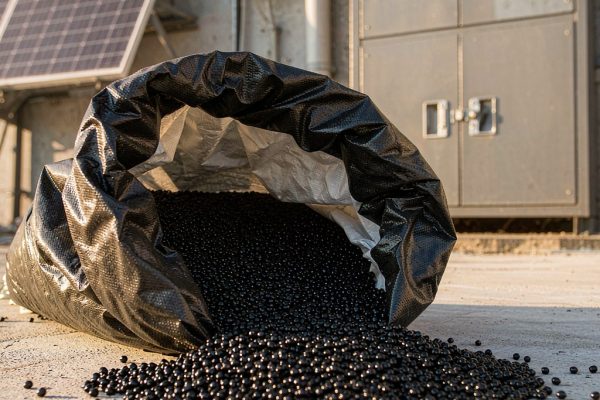
- Activated carbon assessment: Carbon removes odor, not particles. When users report returning smells despite good airflow, the carbon bed is exhausted. Under moderate duty, replace every 6–12 months; heavy-duty airport or hospitality booths may need 3–6 months.
- Fan and blower cleaning: Wipe blades and housing — tar film unbalances rotors and noise is the first symptom.
- Smoke test the airflow path: A smoke pencil at the entry should show air moving inward; at the exhaust it should discharge upward and away from doors and windows.
- Electrical inspection: Check cord co
ections, switch operation, and GFCI/RCD test buttons where installed.
- Drainage and weather seals: Clear roof drain cha
els on outdoor units and inspect roof membrane seams.
Quarterly and A
ual Service
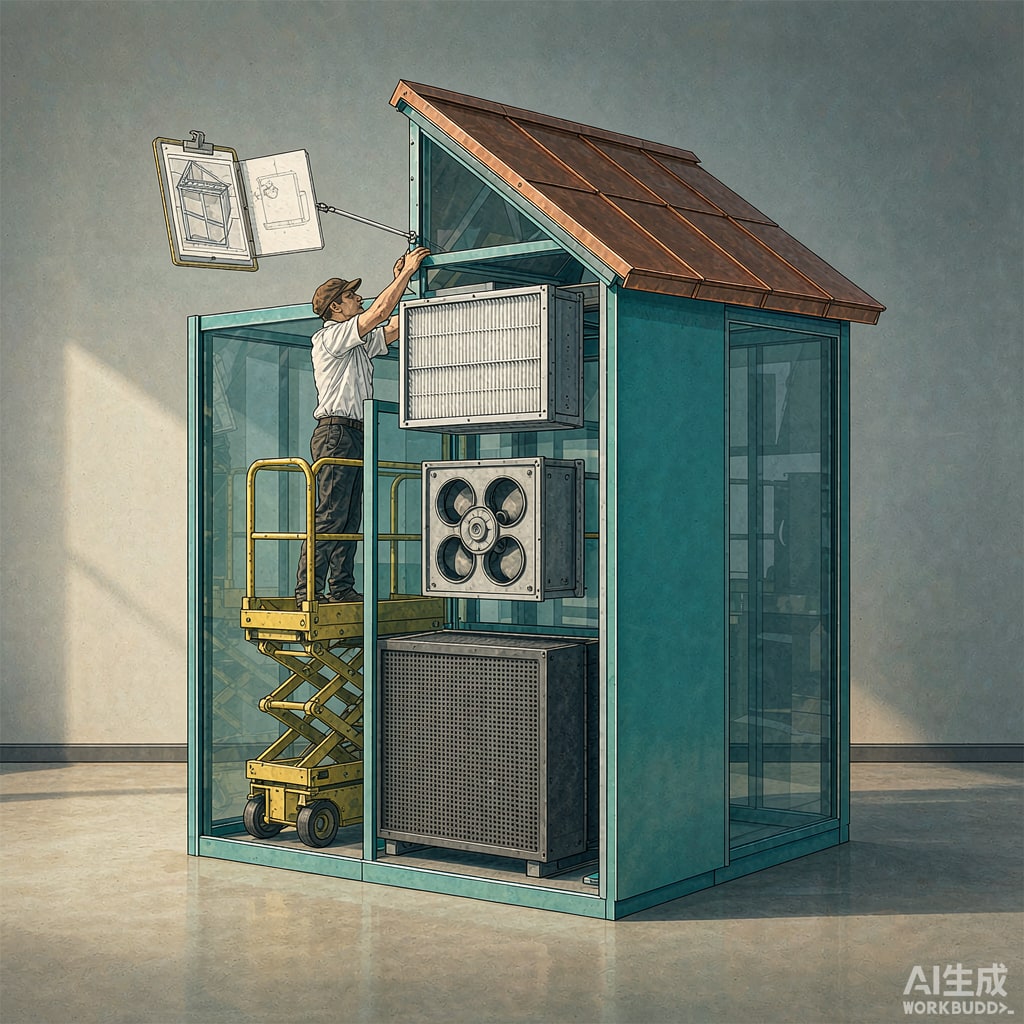
- Deep filter change: Follow the specification — HEPA stages are typically a
ual, chemical/carbon stages per the monthly assessment, and pre-filters as consumed.
- Mechanical check: Lubricate fan bearings where the design allows, verify belt tension on belt-driven units, and measure motor current draw against nameplate.
- Structure: Re-torque anchor bolts, touch up powder-coat chips to prevent corrosion creep, inspect glass gaskets and roof seals, and test any fire extinguisher or suppression device inside the booth.
- Lamps and electronics: Replace UV or photo-catalytic lamps at rated hours (usually 8,000–9,000), not when they visibly dim.
Glass and Surface Care
Tempered glass tolerates daily cleaning but not abuse: use non-abrasive cleaners and soft cloths, avoid scraping with razors which can scratch and weaken edges, and never apply ammonia-based products to coated or film-covered panels. For powder-coated steel and stainless frames, use pH-neutral detergent; chloride-based cleaners pit 304 stainless over time. A touch-up pen matching the frame RAL color keeps corrosion from starting at chips.
Maintenance Log and Compliance
Keep a bound or digital log recording date, tasks, parts replaced, and the signature of the person who performed them. This record matters in three ways: it supports workplace air-quality compliance during inspections, it documents filter change intervals for warranty claims, and it converts maintenance from reactive complaints into a scheduled cost. Stock a small spares kit — pre-filters, carbon cartridges, lamps, a door closer, and ashtray bins — so a worn part never idles the booth.
Conclusion
Two minutes a day, an hour a month, and one service visit a quarter keep a smoking booth pulling air, containing odor, and passing inspection for its full design life. The checklist is short; the discipline is what matters.