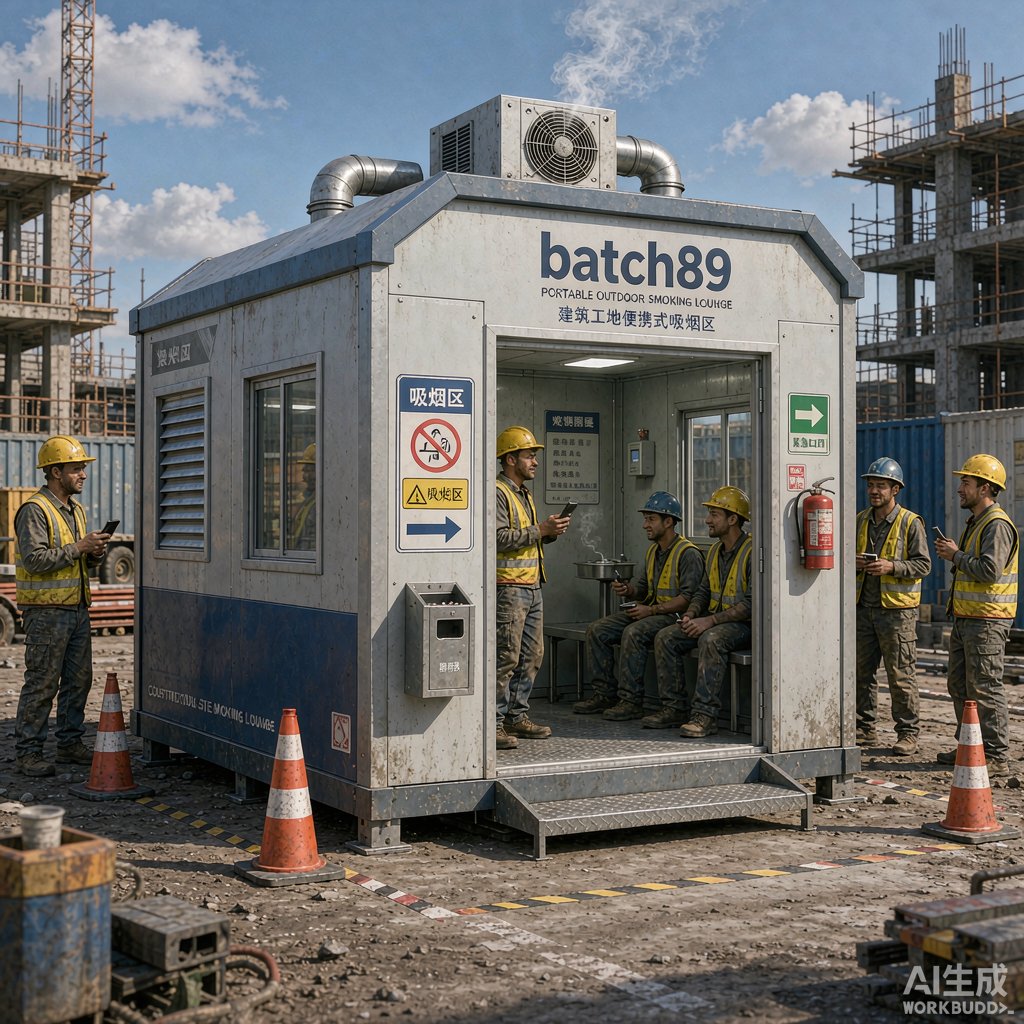
Construction sites, outdoor festivals, and temporary work zones often lack permanent smoking facilities. A portable outdoor smoking lounge solves this by providing a dedicated, movable enclosure where workers and visitors can smoke without disturbing non-smokers or violating clean-air regulations. Unlike fixed smoking room installations, portable units can be relocated as the project moves or the event layout changes.
Why Portability Matters
Construction projects evolve. A smoking shelter placed near the site office in month one may be far from active work areas by month six. Portable units on skids, casters, or trailer chassis allow safety managers to reposition smoking areas close to workers while keeping them away from combustible materials and high-traffic entrances. Event organizers similarly benefit from units that can be delivered, used, and removed within a few days.
Common Base Structures
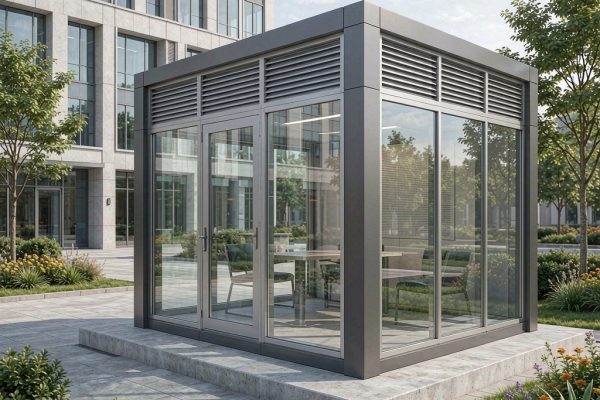
Portable lounges range from lightweight aluminum-framed canopies with sidewalls to robust steel cabins with insulated panels. For short-term events, fabric shelters with anchoring kits are economical. For multi-month construction sites, steel units with lockable doors, benches, and ashtrays offer better durability and security.
Ventilation and Air Quality
Even an outdoor lounge needs airflow to prevent smoke accumulation and odors. Open-mesh panels, ridge vents, and powered exhaust fans help maintain air changes. For partially enclosed designs, aim for at least 30 air changes per hour in the occupied zone. Position intake and exhaust so fresh air sweeps across occupants rather than recirculating stale smoke.
Filtration Options
Some enclosed portable units include HEPA and activated-carbon filtration to capture particulates and odors. These are useful when the lounge must be placed near building entrances or air intakes. Filters require regular replacement, and unit sizing must account for the number of simultaneous users to avoid overload.
Weather Protection
Roofing should shed rain and provide UV protection. Polycarbonate or metal roofs with adequate overhangs keep users dry during tropical downpours. Sidewalls can be fixed or roll-up depending on climate; in hot regions, mesh or louvered panels improve comfort. Wind ratings are critical: units must be anchored to resist the gust loads expected at the site.
Fire Safety and Compliance
Portable smoking lounges must comply with local fire codes, including setback distances from buildings, fuel storage, and combustible scaffolding. Non-combustible floor materials, covered ashtrays, and signage prohibiting littering reduce fire risk. Some jurisdictions require fire extinguishers inside or adjacent to the unit. Always consult the authority having jurisdiction before deployment.
Accessibility and Capacity
Plan capacity based on peak break times. A unit that is too small will be ignored, pushing smokers back to unauthorized areas. Include accessible entry where required by law, and ensure interior surfaces are easy to clean. Waste receptacles should be emptied frequently to prevent overflow and fire hazards.
Site Logistics
Delivery paths, crane or forklift access, and ground conditions affect unit selection. Trailer-mounted lounges are easiest to move but require a tow vehicle. Skid-mounted units need a forklift. Modular flat-pack designs reduce shipping volume for remote sites. Consider power availability if lighting, fans, or filtration are included.
Conclusion
A well-designed portable outdoor smoking lounge balances mobility, weather protection, ventilation, and regulatory compliance. For construction sites and events where permanent facilities are impractical, these units provide a controlled smoking room solution that protects both smokers and the surrounding environment. Proper placement, maintenance, and fire-safety pla
ing ensure they remain effective throughout the project lifecycle.