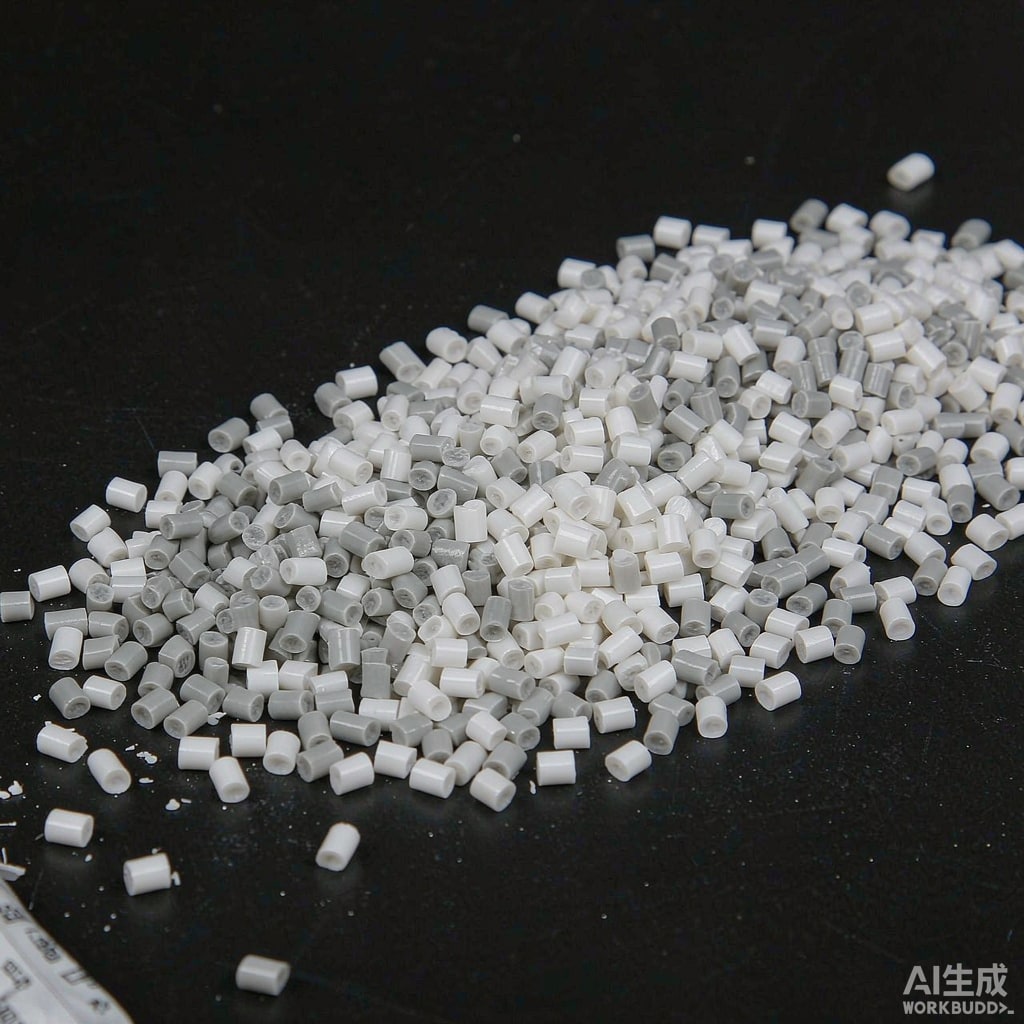
Why Flame-Retardant PC/ABS Dominates Electronic Enclosures
Polycarbonate/acrylonitrile-butadiene-styrene (PC/ABS) blends have become the material of choice for electronic enclosures, housings, and internal structural components due to their excellent balance of mechanical properties, processability, and aesthetic versatility. When formulated with flame-retardant additives, flame-retardant PC/ABS plastic pellets meet the stringent safety requirements of consumer electronics, IT equipment, and industrial control systems. Understanding UL94 ratings, additive chemistries, and processing guidelines is essential for engineers and procurement specialists sourcing these materials.
UL94 Flame Rating System Explained
Underwriters Laboratories UL94 is the most widely recognized standard for evaluating the flammability of plastic materials in electronic devices. The standard classifies materials based on their behavior when exposed to a controlled flame source:
UL94 V-Ratings (Vertical Burning)
- V-0: Burning stops within 10 seconds after two 10-second flame applications. No flaming drips are permitted. This is the most common requirement for electronic enclosures.
- V-1: Burning stops within 60 seconds after flame removal. No flaming drips permitted.
- V-2: Burning stops within 60 seconds. Flaming drips are permitted, which may ignite cotton placed below the test specimen.
UL94 HB (Horizontal Burning)
HB is the lowest rating in the UL94 hierarchy, indicating slow horizontal burning with a rate less than 40 mm/min for thicknesses 3–13 mm. HB-rated materials are generally not acceptable for unattended electronic equipment but may be used in large appliances where the material is not in close proximity to ignition sources.
5VA and 5VB Ratings
For applications requiring the highest level of fire resistance, 5VA and 5VB ratings involve testing with a more intense 125 mm flame applied five times for 5 seconds each. 5VA-rated materials must not burn through the test plaque and must not produce flaming drips. These ratings are required for certain industrial, medical, and automotive applications.
Flame-Retardant Additive Technologies
Brominated Flame Retardants (BFRs)
Traditionally, brominated compounds such as tetrabromobisphenol A (TBBPA) and decabromodiphenyl ether (decaBDE) were the workhorses for achieving V-0 ratings in PC/ABS at loadings of 8–15 wt%. While highly effective, regulatory pressure from RoHS, REACH, and various national regulations has driven a shift away from certain BFRs due to environmental and health concerns.
Phosphorus-Based Flame Retardants
Phosphorus compounds, including triphenyl phosphate (TPP), resorcinol bis(diphenyl phosphate) (RDP), and bisphenol A bis(diphenyl phosphate) (BDP), have emerged as leading halogen-free alternatives. These additives work by promoting char formation on the polymer surface, creating a protective barrier that limits heat and mass transfer. In PC/ABS, phosphorus-based systems can achieve V-0 ratings at 10–18 wt% loading, though they may slightly reduce heat deflection temperature (HDT) compared to brominated systems.
Intumescent Systems
Intumescent flame retardants expand when exposed to heat, forming a thick, insulating char layer. While more common in polyolefins and polyamides, intumescent systems are being developed for PC/ABS applications where low smoke toxicity is paramount, such as rail transportation and aerospace interiors.
Silicone-Based and Nano-Composite Additives
Silicone resins and nano-scale fillers such as layered silicates (organoclays) and carbon nanotubes provide synergistic flame-retardant effects at low loadings. These technologies are still emerging but offer the promise of maintaining mechanical and electrical properties while achieving regulatory compliance.
Processing Guidelines for Flame-Retardant PC/ABS
Drying Requirements
PC/ABS is hygroscopic and must be thoroughly dried before injection molding. Moisture levels above 0.02% can cause hydrolytic degradation, leading to reduced molecular weight, surface defects (silver streaking), and diminished mechanical properties. Recommended drying conditions: 80–90 °C for 3–4 hours in a dehumidifying dryer with dew point below -20 °C.
Melt Temperature and Shear Sensitivity
Typical melt temperatures for flame-retardant PC/ABS range from 240 °C to 270 °C. Higher temperatures improve flow but increase the risk of additive degradation and discoloration. Flame-retardant additives, particularly phosphorus-based systems, can be shear-sensitive; excessive screw speed or restrictive nozzle geometries may cause additive breakdown and loss of flame retardancy. A general guideline is to keep shear rates below 10,000 s⁻¹.
Mold Temperature and Venting
Mold temperatures of 60–80 °C promote good surface finish and minimize molded-in stress. Adequate venting is critical, as flame-retardant additives can release decomposition products during molding that cause burn marks or incomplete filling. Vent depths of 0.02–0.03 mm are recommended for PC/ABS.
Recycling and Regrind
Regrind levels should be limited to 20–30% for flame-retardant grades, as repeated thermal cycling can degrade both the polymer matrix and the flame-retardant additives. Each regrind pass should be tracked, and material should be tested for UL94 compliance if historical data is not available.
Regulatory Landscape and Compliance
Beyond UL94, electronic enclosure materials must comply with:
- RoHS Directive 2011/65/EU: Restricts lead, mercury, cadmium, hexavalent chromium, PBB, and PBDE.
- REACH Regulation (EC) No 1907/2006: Requires disclosure of Substances of Very High Concern (SVHC) above 0.1 wt%.
- IEC 60695-2-11/12: Glow-wire flammability and ignition temperature tests required for certain appliance applications.
- California Proposition 65: Disclosure requirements for chemicals known to cause cancer or reproductive harm.
Conclusion
Flame-retardant PC/ABS plastic pellets remain the benchmark material for electronic enclosures requiring UL94 V-0 performance. By understanding the trade-offs between brominated, phosphorus-based, and emerging halogen-free additive systems, and by following proper drying and processing protocols, manufacturers can consistently produce compliant, high-quality parts that meet the safety and performance demands of global markets.



