Shielding cans and metal enclosures stop radiated emissions, but they add height, weight, and assembly cost — and inside a densely packed 5G module or wearable device there is often no room for them. EMI absorber sheets offer a different approach: thin, flexible, magnetically lossy materials that convert near-field electromagnetic noise into heat instead of reflecting it. Applied directly over noisy ICs, ante
as, or cables, these sheets deliver near-field noise suppression at the source while remaining light, die-cuttable, and thin enough to fit under shield pockets.
How Magnetic Absorber Sheets Work
An absorber sheet is a polymer matrix — usually silicone or acrylic — loaded with soft magnetic flake powder such as sendust (Fe-Si-Al) or carbonyl iron. In the near field, the magnetic field component of the noise current couples into the sheet’s high permeability. The sheet’s magnetic loss converts that coupled energy into heat, a rate described by the imaginary part of permeability. Because energy is absorbed rather than reflected, the sheet does not create the standing-wave and cavity effects that flat metal shields can introduce inside tight enclosures.
Permeability and Frequency Bands
Absorber performance is characterized by complex permeability spectra. Sendust-based sheets provide high permeability up to roughly 1–3 GHz; carbonyl iron and thin-film alloy grades extend usefulness into the 3–10 GHz range needed for mmWave-era noise. Thi
er sheets typically push their loss peak higher in frequency, which is why a 0.1 mm grade may outperform a 0.5 mm grade against a 5 GHz clock harmonic.
Where Absorbers Earn Their Keep
Common applications include 5G small cells and MIMO ante
a modules, where absorber strips suppress coupling between adjacent ante
a arrays; NFC and RFID readers, where ferrite sheets behind the ante
a restore magnetic field patterns against metal backplanes; laptops and tablets, where sheets over DDR memory and clock circuits quiet radiated harmonics; and smartwatches, where sub-0.2 mm absorbers coexist with ante
as inside a sealed housing.
Suppressing Cavity Resonances
Metal shield cavities in RF modules resonate at frequencies tied to their dimensions. Placing an absorber sheet on the cavity ceiling damps these resonances, reducing Q and smoothing the emissions spikes that fail EMC scans. This damping technique is standard practice in radar modules and handset RF front-ends, where a few tenths of a millimeter of absorber replaces redesign work.
Selecting an Absorber Sheet
Start from the frequency band shown by pre-compliance scans, then evaluate:
• Permeability at the target frequency — check real and imaginary values on the supplier’s spectra, not just a headline number
• Thickness budget — absorbers range from 0.05 mm to 1 mm or more
• Thermal stability — silicone-based grades survive 125 °C and reflow proximity; acrylic-based grades cost less but bond poorly at high temperature
• Dielectric constant — near ante
as, high-permittivity backing shifts matching; choose low-dielectric grades or maintain spacing
Ante
a Isolation Versus Detuning
Absorbers placed too close to a radiating element can lower ante
a efficiency. The rule of thumb is to keep a few millimeters of separation from radiating edges, or to use absorber grades engineered specifically for ante
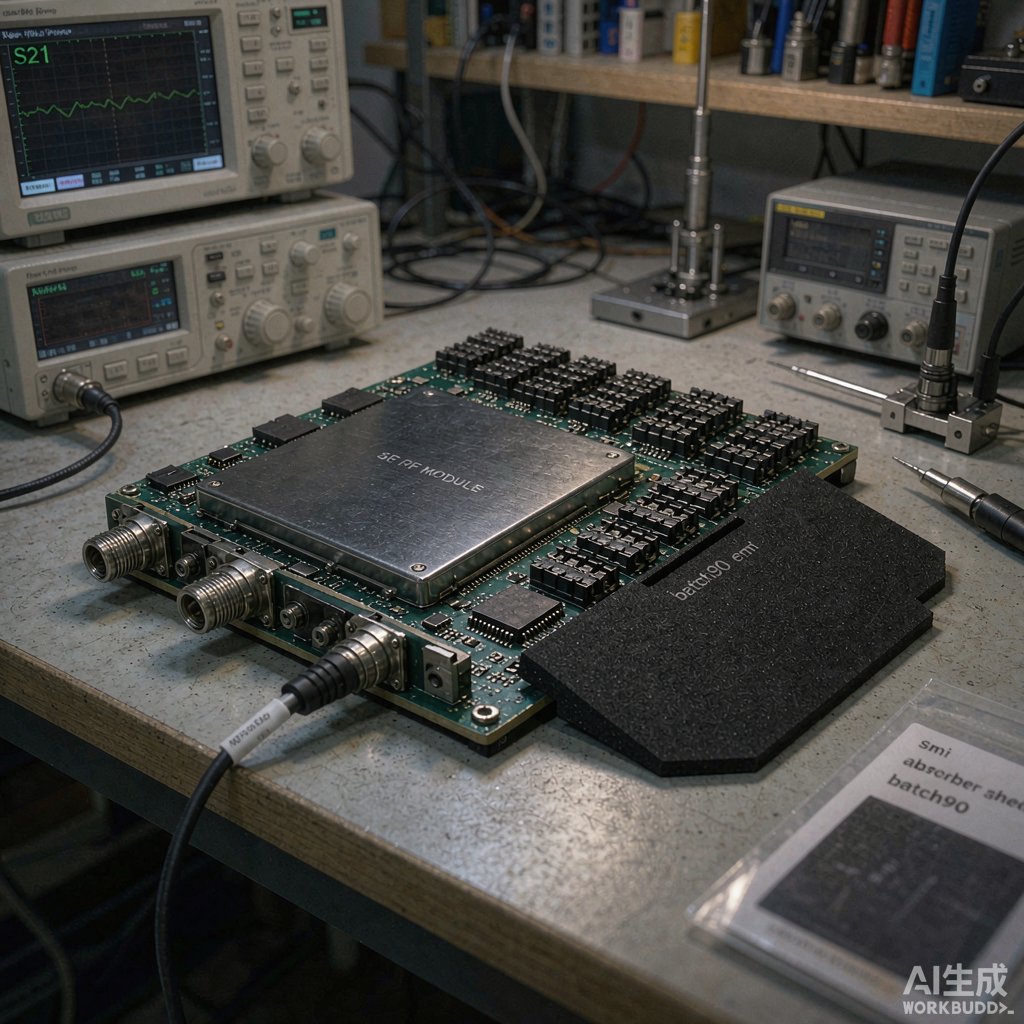
a isolation with controlled dielectric properties. Validate with S-parameter measurements after placement, not just EMC scans — coupling reduction that looks good on a spectrum analyzer can still cost 0.5 dB of ante
a gain.
Installation and Die-Cutting
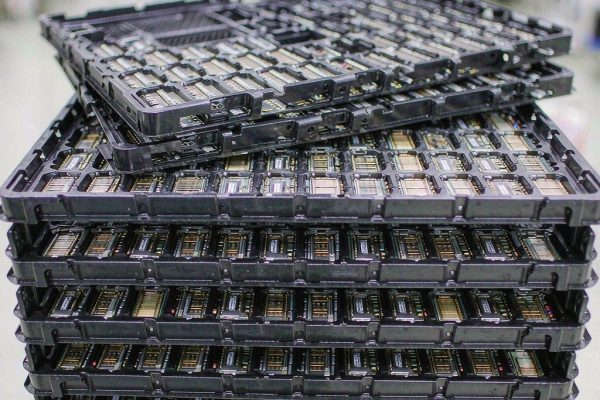
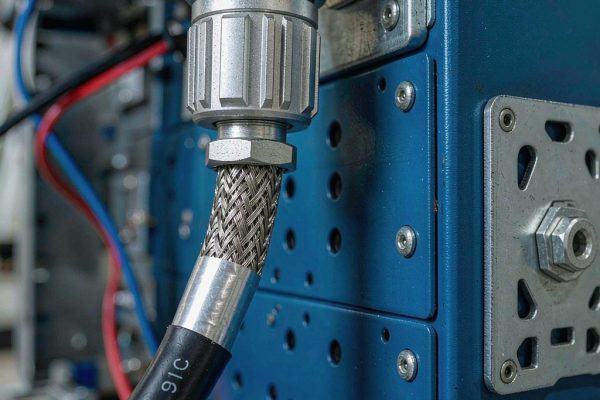
Absorber sheets arrive with adhesive backing and are die-cut to shape, often in the same pass as shield-can gaskets. Keep the sheet slightly larger than the noise source footprint — typically extending 2–3 mm beyond the IC package — because near-field energy spreads laterally. Stack sheets only if the supplier confirms no performance penalty; some grades lose effective permeability when doubled. For cables, wrap-style absorber tape provides similar suppression where ferrite clamp cores are too bulky for the assembly.
Comparing Absorbers, Shields, and Filters
None of the three techniques replaces the others. Shield cans remain the strongest barrier for aggressive radiators; absorbers excel where space, weight, or ante
a proximity rules out metal, and where resonance damping is needed; filtering handles conducted noise on power and signal lines. In practice, a 0.2 mm absorber sheet under a shield can — or replacing the can entirely in height-critical stacks — delivers measurable emission reduction at a fraction of a cent per square centimeter. Ru
ing pre-compliance testing early in the design cycle shows exactly which noise sources justify absorber placement, turning EMC remediation from guesswork into a targeted, low-cost fix.