5G base stations operate at frequencies from 600 MHz to over 40 GHz, pushing electromagnetic interference control to the forefront of enclosure design. Every seam, vent, and co
ector cutout becomes a potential slot ante
a. Conductive elastomer gaskets provide the compliant, corrosion-resistant seal that maintains shielding continuity across mating surfaces. This article covers the key design choices for EMI shielding gaskets in 5G infrastructure, from filler material to compression set.
Why Gaskets Fail Before Metalwork Does
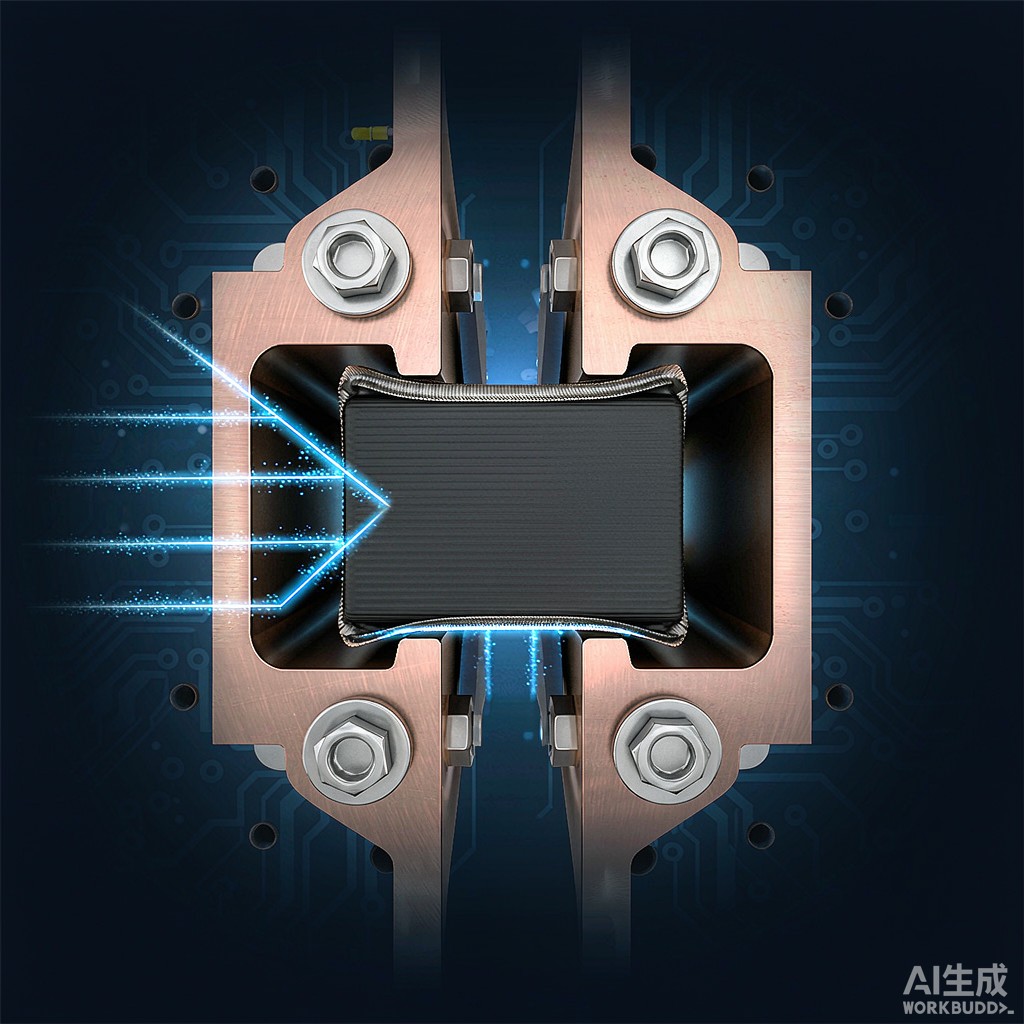
A shielded enclosure is only as good as its weakest seam. Painted or anodized aluminum panels, cast housings, and die-cast covers all have joints where electrical continuity must be re-established. A conductive gasket bridges that gap. The ideal gasket provides low electrical impedance across a wide frequency range, survives environmental aging, and maintains its spring force over thousands of thermal cycles.
Gasket failure modes include compression set, galvanic corrosion, particle shedding, and over-compression. In tropical or coastal deployments, salt fog and UV exposure accelerate degradation. Choosing the wrong filler or hardness can turn a well-designed metal box into an EMI sieve within a year.
Conductive Fillers: Silver, Nickel, and Graphite
Conductive elastomers are usually silicone or fluorosilicone loaded with conductive particles:
- Silver-plated aluminum (Ag/Al): Excellent shielding effectiveness, typically 100–120 dB across a broad range. Cost is moderate but watch for galvanic corrosion against aluminum housings in wet environments.
- Silver-plated nickel (Ag/Ni): Good all-round choice with better corrosion resistance than Ag/Al and lower cost than solid silver. Shielding effectiveness around 90–110 dB.
- Silver-plated glass (Ag/glass): Lower cost, suitable for indoor or controlled environments where shielding demands are moderate.
- Nickel-graphite (Ni/C): Economical, galvanically compatible with aluminum, and popular for outdoor telecom equipment. Shielding effectiveness typically 80–100 dB.
- Graphite-only: Lowest cost, good for low-frequency or cost-driven applications, but less effective above 6 GHz.
Silicone vs Fluorosilicone Binder
Silicone is the default binder because of its wide temperature range, UV resistance, and compression set stability. Standard silicones perform from -55°C to 200°C. Fluorosilicone adds fuel, oil, and solvent resistance, making it preferable for enclosures exposed to hydraulic fluids, lubricants, or harsh cleaning agents. Both materials can be molded into O-rings, extruded into profiles, or die-cut from sheets.
Gasket Geometry and Compression Requirements
The relationship between gasket shape and compression determines long-term shielding performance. Common profiles include hollow O-rings, D-shapes, rectangular strips, and finger-stock-compatible cha
els. Hollow profiles compress more easily and require lower closure force, which matters for large covers fastened with few screws.
Recommended compression is typically 15–25% of the original cross-section. Too little compression leaves gaps; too much causes compression set and particle migration. Design the groove depth so that even at the maximum tolerance stack-up, the gasket is not compressed below 70% of its original height.
Shielding Effectiveness at 5G Frequencies
Shielding effectiveness must be validated at the frequencies of interest. At sub-6 GHz, most conductive gaskets easily exceed 80 dB. At 28 GHz and 39 GHz millimeter-wave bands, skin depth becomes very small and surface finish matters. Gaskets with dense silver or nickel fillers maintain performance because the particles create many parallel conductive paths. Graphite-only gaskets may see a roll-off above 10 GHz.
MIL-DTL-83528 is the common qualification standard for EMI gaskets, defining classes by shielding effectiveness from 20 MHz to 10 GHz. For 5G mmWave, engineers often supplement this with in-house testing to 40 GHz using reverberation or GTEM cell methods.
Galvanic Compatibility and Corrosion Control
Aluminum enclosures are standard in 5G base stations because of weight and cost. However, silver particles are cathodic to aluminum, creating a galvanic cell when moisture is present. In coastal or humid climates, this can produce white corrosion products and raise joint resistance. Mitigation strategies include:
- Using nickel-graphite or aluminum-compatible fillers
- Applying chromate-free conversion coatings to aluminum flanges
- Ensuring drainage so water does not pool at gasket interfaces
- Selecting fluorosilicone binders for chemical resistance
Assembly and Quality Control
Gaskets should be installed with clean, dry surfaces. Adhesive-backed profiles speed assembly but the adhesive must not insulate the conductive filler from the metalwork. Some designs use mechanical retention grooves to avoid adhesive entirely. After assembly, verify joint resistance with a four-wire micro-ohmmeter at multiple points. Target values vary, but many telecom specifications require less than 1 mΩ across any 25 mm seam segment.
Conclusion
Conductive elastomer gaskets are a small part of a 5G base station enclosure, but they play an outsized role in EMI shielding effectiveness. The right choice balances electrical performance, environmental durability, compression behavior, and cost. For outdoor and coastal 5G infrastructure, nickel-graphite in fluorosilicone is often the safest compromise. For indoor or controlled environments, silver-plated fillers deliver the highest shielding margin. Whatever the material, proper groove design and compression control are what turn a gasket into a reliable electromagnetic seal.