Why High-Gloss ABS for Electronics
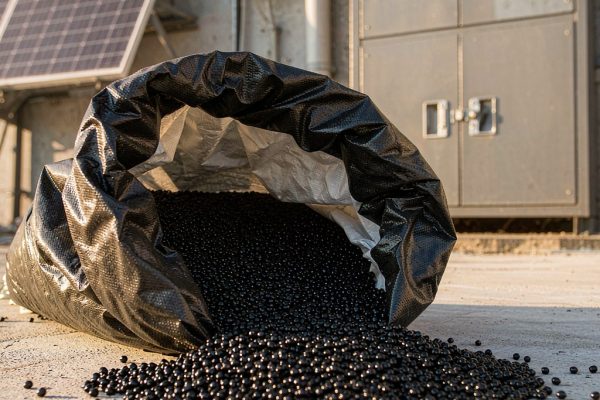
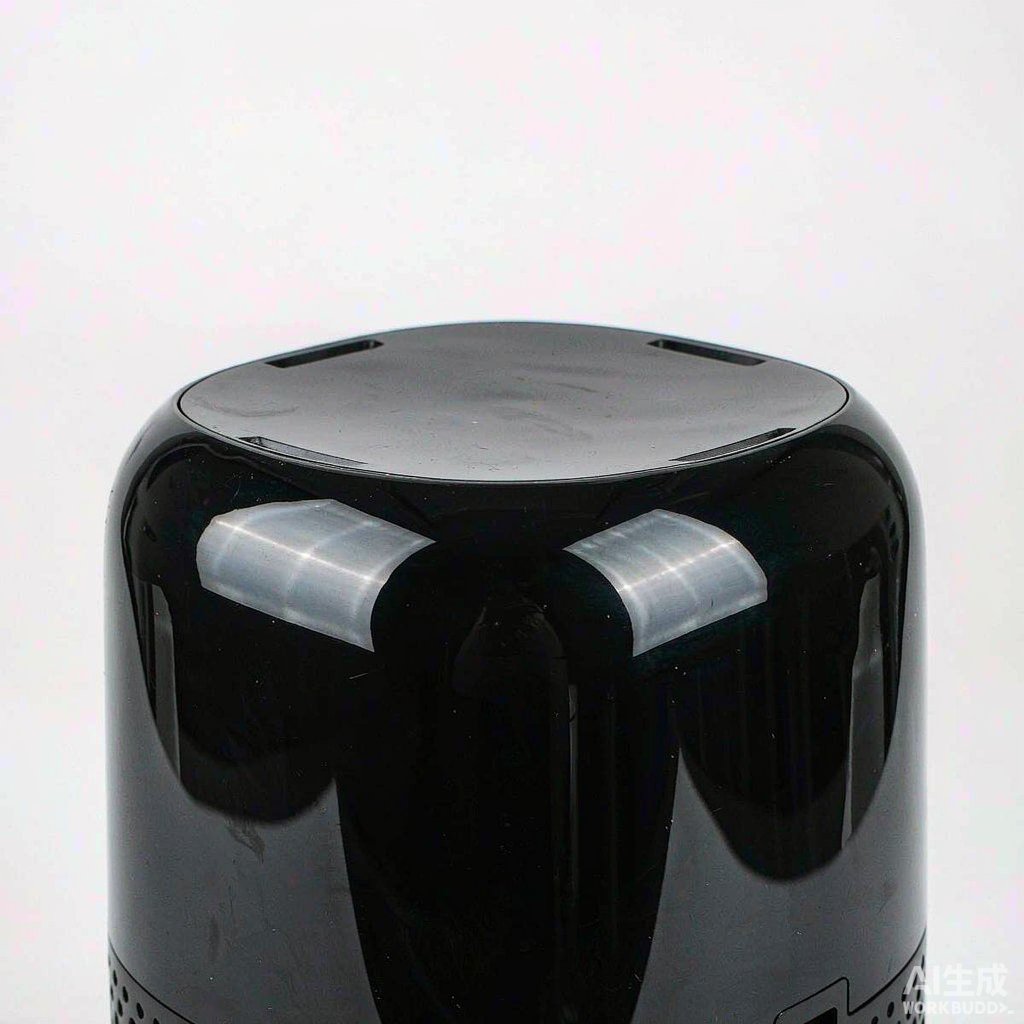
Consumer electronics—from wireless earbuds cases to smart home hubs—demand premium surface aesthetics combined with cost-effective injection molding. High-gloss ABS (Acrylonitrile-Butadiene-Styrene) plastic pellets deliver Class A surface finishes (gloss > 85 at 60°) while maintaining the toughness, processability, and plating compatibility that make ABS the workhorse of electronic enclosures.
Material Formulation
Standard ABS has a butadiene rubber phase that creates a micro-rough surface, limiting gloss. High-gloss grades modify this morphology:
- Matrix SAN (Styrene-Acrylonitrile) modification: Higher AN content (28–32%) improves chemical resistance and surface hardness.
- Rubber particle size: Smaller butadiene domains (0.1–0.5 µm vs. 1–3 µm in standard ABS) reduce surface scattering. Too small (< 0.1 µm) sacrifices impact strength.
- Molecular weight: Medium-to-high MW SAN matrix improves melt strength for thin-wall molding (1.0–1.5 mm) common in SMT enclosures.
Mold Design for Mirror Finish
Cavity Surface
The mold, not the material, is the primary determinant of gloss:
- Steel grade: NAK80 or S136H stainless steel, polished to SPI A-2 or A-3 (Ra 0.025–0.05 µm) with diamond paste.
- Chrome plating: Hard chrome (20–50 µm) on cavity surfaces increases hardness and reduces polymer adhesion, improving release and gloss consistency.
- Texture vs. gloss zones: Use laser-etched textures for grip areas and high-polish for display bezels within the same part.
Temperature Control
ABS gloss is highly sensitive to mold temperature:
- Optimal range: 60–80°C mold surface temperature. Below 50°C, rapid skin formation freezes surface replication; above 85°C, cycle time increases and sink marks appear.
- Hot ru
er systems:
Valve-gate hot ruers maintain melt temperature and prevent cold-slug marks at gate locations.
- Conformal cooling: 3D-printed mold inserts with conformal cha
els reduce warpage in thin, flat lids by ±40% compared to straight-drilled circuits.
Venting
Trapped air burns the surface, creating matte patches:
- Vent depth: 0.01–0.02 mm for ABS, located at last-fill areas and along parting lines.
- Vacuum venting: Active vacuum pulls air from cavity before injection, enabling 15% faster fill rates without burn marks.
Gate and Flow Design
- Gate type: Submarine (tu
el) or edge gates for cosmetic surfaces; pin gates for three-plate molds where gate vestige must be hidden.
- Gate location: Place at the thickest section to allow packing; avoid direct impingement on cosmetic surfaces to prevent jetting.
- Flow length-to-thickness (L/T): Keep L/T < 150:1 for high-gloss ABS to prevent flow-front cooling and gloss variation.
Processing Parameters
| Parameter | Recommended Range | Effect on Gloss |
|---|---|---|
| Melt temperature | 230–260°C | Higher = better replication, risk of degradation |
| Injection speed | Moderate-high (50–100 mm/s) | Fast = better surface replication, risk of jetting |
| Hold pressure | 60–80% of injection pressure | Adequate packing prevents sink and improves gloss |
| Cooling time | 15–25 s (2 mm wall) | Insufficient cooling causes ejection marks and warpage |
Functional Additives for Electronics
Beyond aesthetics, electronics housings need:
- UV stabilizers: Hindered amine light stabilizers (HALS) and benzotriazole UV absorbers prevent yellowing in outdoor or window-sill applications.
- ESD grades: Carbon nanotube or conductive polymer masterbatches achieve 10⁶–10⁹ Ω/sq surface resistivity for SMT handling safety without compromising gloss.
- Flame retardancy: Non-halogen FR systems (phosphorus-nitrogen) reach UL 94 V-0 at 1.5 mm while maintaining 70+ gloss—challenging but achievable with optimized formulations.
Post-Molding Operations
- Deflashing: Cryogenic tumbling with CO₂ pellets removes flash without scratching polished surfaces.
- Painting and coating: High-gloss ABS accepts PU and UV-cured clear coats for enhanced scratch resistance (pencil hardness > 2H).
- Pad printing / laser marking: Butadiene rubber phase absorbs laser energy for high-contrast marking without ink.
Conclusion
High-gloss ABS plastic pellets enable cost-effective, aesthetically premium electronics housings when paired with precision mold design and controlled processing. The interplay of rubber particle morphology, mold surface quality, temperature, and venting determines whether the final part achieves a mirror finish or falls short of consumer expectations.