Introduction: The Thermal Demands of 5G Technology
The deployment of 5G networks represents the most significant advancement in wireless communication since the transition from 3G to 4G. Beyond faster download speeds, 5G enables IoT co
ectivity, autonomous vehicles, and smart city infrastructure. However, these performance gains come with substantial thermal management challenges that SMT copper components address effectively.
5G base stations, mobile devices, and network infrastructure equipment all generate unprecedented heat loads that require advanced thermal solutions.
## Understanding 5G Power Requirements and Heat Generatio
### The Energy Appetite of 5G Networks
5G networks consume significantly more power than their 4G predecessors. Key factors driving this increased energy demand include higher frequency bands (mmWave technology at 24-100 GHz), Massive MIMO ante
a arrays with dozens or hundreds of elements, and always-on 5G modems in mobile devices.
### Heat Density Challenges
The combination of increased power consumption and miniaturized form factors creates extreme heat densities. A typical smartphone 5G modem generates heat flux exceeding 50W/cm² during sustained data transmission, rivaling high-performance computing applications.
## SMT Copper Solutions for 5G Infrastructure
### Base Station Thermal Management
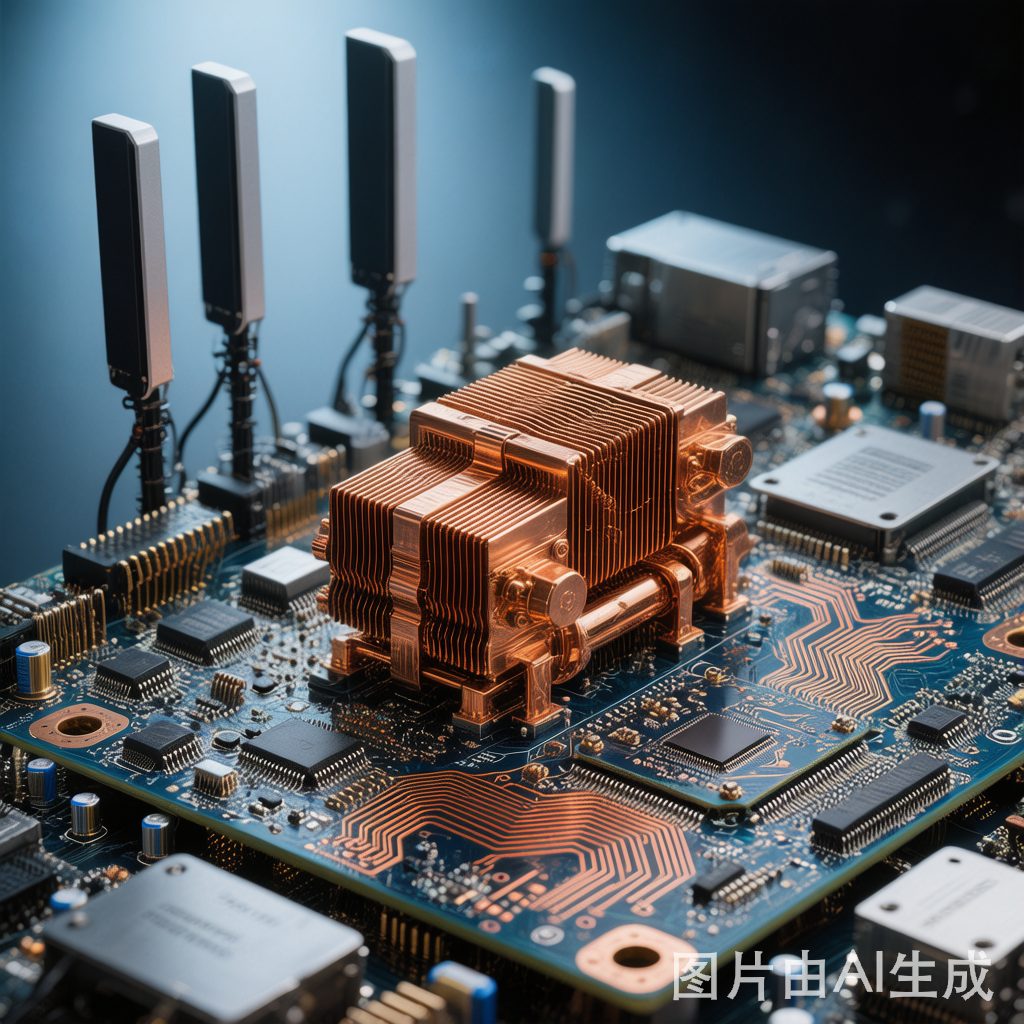
5G base stations, from macro cells to small cells, rely heavily on SMT copper components for thermal management. Power amplifiers represent the primary heat source in 5G transceivers. SMT copper shims provide efficient heat spreading from the PA die to the heat sink, low thermal resistance interface materials, and mechanical stability during thermal cycling.
5G filters require precise temperature control to maintain frequency stability. Copper strips serve as thermal buses that distribute heat evenly and maintain component temperatures within specification.
### Ante
a System Thermal Solutions
Active ante
a systems integrate power amplifiers, receivers, and beamforming networks in compact assemblies. Thermal management strategies include copper heat spreaders, thermal vias in PCBs, and integrated heat sinks combining thermal and mechanical functions.
## 5G Mobile Device Thermal Architecture
### Smartphone Thermal Desig
Modern 5G smartphones employ sophisticated multi-layer thermal management systems where SMT copper components play critical roles. 5G smartphones contain numerous RF components including power amplifiers, low-noise amplifiers, and switches. Copper strips integrated into the PCB design provide thermal relief by conducting heat from hot components to the device chassis, creating thermal paths to spreader plates, and enabling heat transfer to exteal accessories.
The 5G modem chip works in concert with the application processor, creating combined thermal loads. Strategic placement of copper shims beneath these chips reduces junction temperatures during sustained 5G operation, enables longer peak performance periods before thermal throttling, and improves user experience during video streaming and gaming.
## Material Selection for 5G Applications
### High-Frequency Copper Requirements
5G applications demand copper with >100% IACS conductivity to minimize signal losses, Ra <0.8μm surface smoothness for consistent impedance, and ±10% thickness tolerance for predictable electrical performance.
### Plating Considerations
5G frequencies demand precise plating specifications: silver plating for superior conductivity in critical paths, gold plating to ensure reliable contacts in modular designs, and nickel barriers to prevent intermetallic formation.
## Future Thermal Management Trends
Emerging 5G thermal solutions combine copper with advanced materials including graphene-copper composites for enhanced thermal conductivity, phase change materials to absorb peak thermal loads, and vapor chamber technology for ultra-thin heat spreaders. Modern 5G systems also incorporate machine leaing to manage thermal performance dynamically.
## Conclusio
n5G technology's thermal challenges demand sophisticated solutions that SMT copper components deliver effectively. From massive MIMO base stations to compact mobile devices, copper’s combination of superior conductivity, formability, and reliability makes it irreplaceable in 5G electronics.
Browse our selection of SMT copper strips engineered for high-frequency applications.