ISO 9001:2015 Certified Shipping from Seoul, KR
Free shipping on orders over $50 | Ships from Seoul, Korea
$

SMT PCB Delamination and Copper Peel Strength Failure: Root Cause Analysis and Prevention in Lead-Free Assembly

Diagnose and prevent PCB delamination and copper peel strength failures in lead-free SMT assembly. This guide covers delamination mechanisms (measling, blistering, full delamination), T260/T288 thermal stress testing per IPC-TM-650, root causes from moisture absorption to CTE mismatch, copper peel strength testing per IPC-TM-650 2.4.8, and design rules for preventing delamination in high-temperature lead-free reflow.

Copper Strip Surface Roughness Effects on SMT Solder Wetting and Joint Reliability: Ra, Rz, and Contact Angle Analysis

Discover how copper strip surface roughness parameters (Ra, Rz, Rmax) affect SMT solder wetting behavior and joint reliability. This guide covers roughness measurement standards, contact angle analysis, the Wenzel and Cassie-Baxter wetting models, optimal roughness ranges for maximum solder bond strength, and process controls for consistent surface finish in electronics manufacturing.

SMT Rework Station Hot-Air vs Infrared Heating for Copper Component Desoldering: Thermal Profile and Pad Damage Prevention

Compare hot-air and infrared rework station heating methods for desoldering copper SMT components. This guide covers thermal profile characteristics, heating rate differences, copper pad damage mechanisms (lift and delamination), temperature uniformity comparison, and best practices for selecting the right rework heating method for different component types.

SMT BGA Solder Ball Shear Strength Testing per JESD22-B117: Failure Mode Analysis at Copper Pad Interface

Master BGA solder ball shear strength testing per JESD22-B117 standard. This guide covers shear test methodology, failure mode classification from ductile bulk solder failure to brittle interfacial fracture at the Cu6Sn5 intermetallic layer, minimum force requirements for SAC305 on copper pads, and root cause analysis for weak shear strength in SMT assemblies.

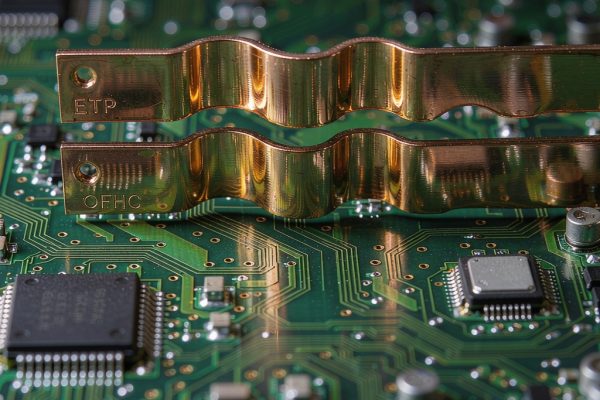
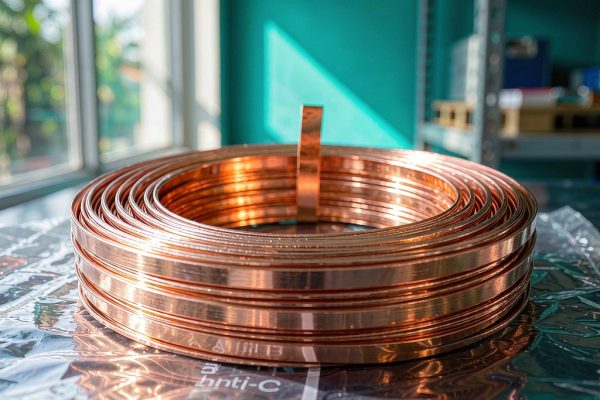
Copper Strip Tarnish Discoloration and Solderability Degradation in SMT Storage: Visual Grading and Recovery Methods

Learn how copper strip tarnish discoloration develops during storage and degrades solderability for SMT assembly. This guide covers oxidation color grading from bright copper to black oxide, wetting balance testing per J-STD-002, root causes of accelerated tarnish in Southeast Asian climates, and proven recovery methods including vapor degreasing, acid dip, and reductive flux reflow.