Indoor smoking booths and lounges are often installed in office buildings, airports, and hotels where neighboring spaces must remain quiet. If the booth blocks smoke but lets every conversation escape, occupants feel exposed and nearby workers are a
oyed. Acoustic design is therefore part of the brief, alongside ventilation, fire safety, and air quality. A well-designed smoking booth controls both airborne sound and impact noise while still meeting airflow and code requirements.
Sound Sources Inside a Smoking Booth
The main noise sources are ventilation equipment and occupant conversation. Exhaust fans, especially high-velocity units, can generate 55–70 dB(A) at the grille. Conversations inside a hard-surfaced glass box can reach 65–75 dB(A) and reflect repeatedly, making the space feel harsh. Without absorption, sound bounces off glass, metal, and tile and escapes through gaps around doors, ducts, and penetrations.
Target Acoustic Criteria
A reasonable indoor smoking booth design aims for an internal reverberation time below 0.6 seconds and a sound transmission class of at least STC 35 to adjacent spaces. Between the booth and open office areas, a 15 dB reduction in speech level usually provides acceptable privacy. If the booth is next to a meeting room or hotel corridor, target STC 40 or higher and seal all penetrations.
Wall and Ceiling Absorption
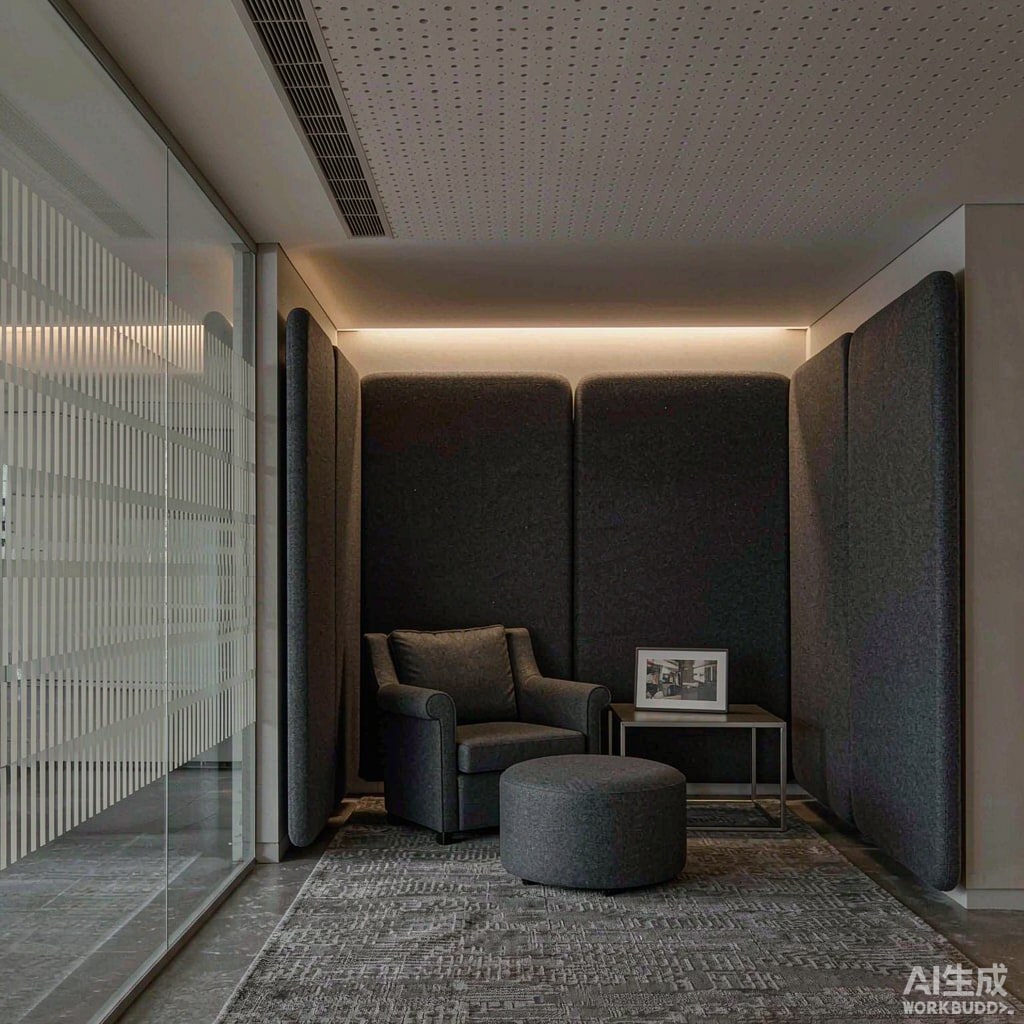
Hard surfaces are the enemy of acoustic comfort. Replace some glass with perforated metal or fabric-wrapped acoustic panels backed by mineral wool or open-cell foam. Ceiling clouds and wall panels in flame-retardant materials reduce reverberation and improve privacy. Even partial coverage helps: covering 30–50% of wall and ceiling area with absorption can cut reverberation time by half. For cleaning and smoke resistance, choose panels with washable or wipeable facings rated for indoor air quality and fire codes.
Door and Glass Treatments
Glass walls are popular for visibility and safety, but single-pane glass has poor sound isolation. Use laminated acoustic glass — two glass layers with a sound-damping interlayer — for transparent walls. Ensure the frame is sealed with acoustic gaskets and that the door drops tight against a threshold seal when closed. A sliding door with even a small gap can defeat an otherwise good design.
Quiet Ventilation Integration
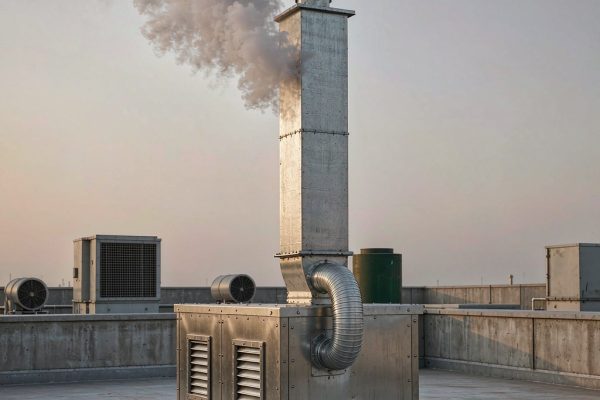
The ventilation system must move enough air to capture smoke, but it does not have to be loud. Select low-siren EC fans with backward-curved impellers and mount them on vibration isolators. Size ductwork for low air velocity — 3–5 m/s in main ducts and 2–3 m/s at grilles — to avoid turbulent noise. Install acoustic duct liner or a silencer on both supply and exhaust paths. Demand-controlled ventilation with a variable-speed fan lets the unit run quietly during low-occupancy periods and ramp up only when sensors detect smoke or CO2.
Privacy and Visual Comfort
Beyond decibels, privacy depends on sightlines and visual cues. Frosted or tinted glass above seated head height lets light in while obscuring faces. Place the booth away from high-traffic sightlines and add a small vestibule or airlock to reduce both sound leakage and smoke escape. Lighting should be warm and even; harsh fluorescent tubes increase perceived noise stress.
Balancing Acoustics with Other Systems
Every acoustic improvement must coexist with fire suppression, HVAC maintenance access, and accessibility codes. Use Class A fire-rated absorbers, keep sprinkler heads unobstructed, and ensure that acoustic seals do not block emergency egress. When these requirements are balanced from the start, the smoking booth becomes a quiet, private, and socially acceptable amenity rather than a source of complaints.