Why Silver-Plated Copper Strip Excels in High-Current SMT Busbars
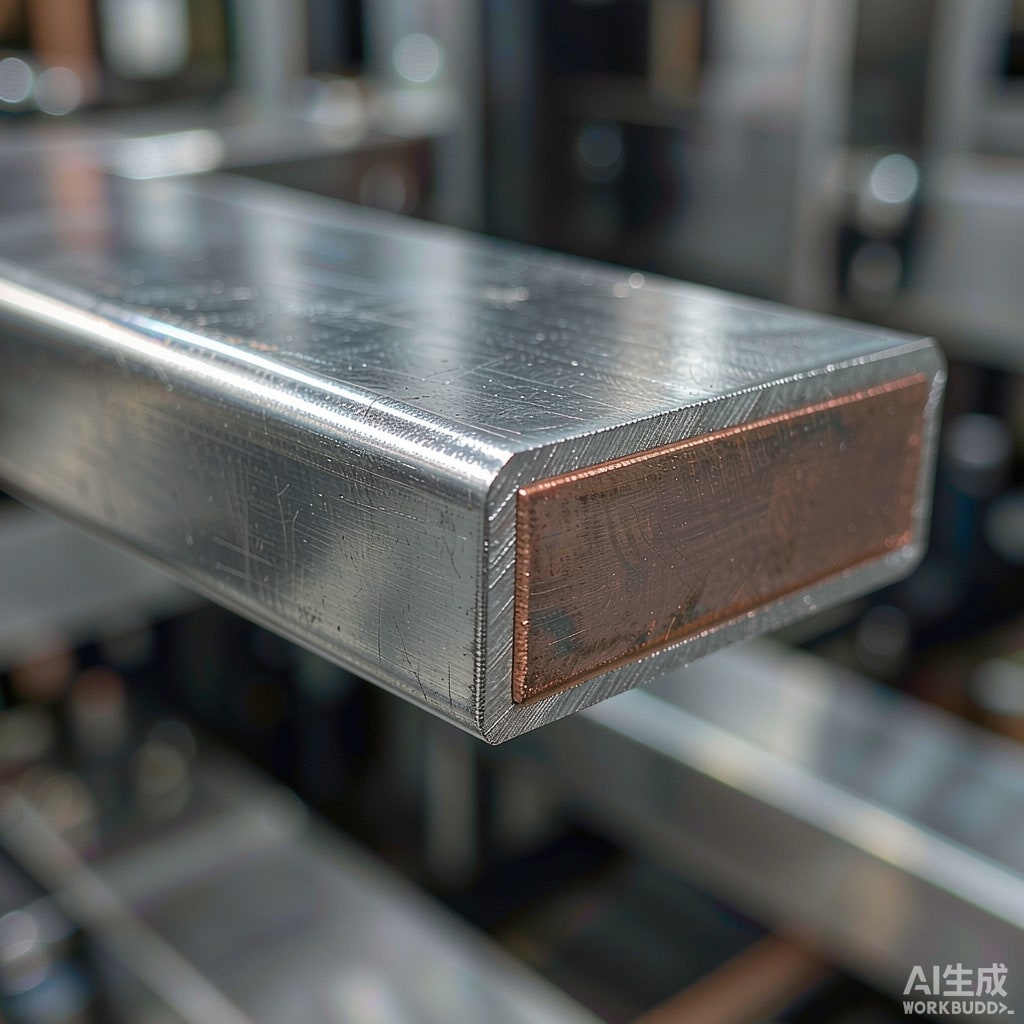
As power densities in modern electronics continue to rise, the demand for materials that can handle high currents without compromising reliability has never been greater. Silver-plated copper strip has emerged as a leading solution for SMT busbars, offering a unique combination of exceptional conductivity and superior oxidation resistance. Unlike bare copper, which tarnishes quickly when exposed to air and humidity, silver plating forms a protective barrier that maintains low contact resistance over the entire product lifecycle.
Conductivity Advantages of Silver-Plated Copper
Silver is the most conductive metal known, with an electrical conductivity of approximately 63.0 × 10⁶ S/m—slightly higher than copper’s 59.6 × 10⁶ S/m. When a thin layer of silver is electroplated onto a copper substrate, the composite material retains nearly the full conductivity of the base copper while gaining the surface stability of silver. For high-current SMT busbars carrying 50 A to 200 A or more, this translates to lower I²R losses, reduced heat generation, and improved overall system efficiency.
Thickness Optimization for Cost and Performance
Silver plating thickness typically ranges from 0.5 µm to 3.0 µm for SMT busbar applications. Thi
er coatings (0.5–1.0 µm) provide adequate oxidation protection for controlled indoor environments, while thicker layers (2.0–3.0 µm) are recommended for outdoor or high-humidity applications. Beyond 3.0 µm, the incremental improvement in corrosion resistance diminishes, and cost becomes a dominant factor. Engineers should specify plating thickness based on the operating environment and required service life.
Oxidation Resistance and Long-Term Reliability
One of the primary failure modes for bare copper busbars is the formation of copper oxide (Cu₂O and CuO) on contact surfaces. Oxide layers increase contact resistance, leading to localized heating and potential thermal runaway. Silver oxide (Ag₂O), by contrast, is thermally unstable above approximately 200 °C and decomposes back to metallic silver, meaning it does not accumulate as an insulating layer under normal operating conditions. This property makes silver-plated copper strip particularly valuable in applications where long-term reliability is critical, such as telecom power distribution, EV charging infrastructure, and industrial motor drives.
Compatibility with SMT Reflow Processes
Silver-plated copper strips are fully compatible with standard Pb-free SAC305 reflow profiles (peak temperature 245–250 °C). The silver layer does not dissolve significantly into the solder joint during reflow, preserving its protective function post-assembly. However, engineers should avoid exposing silver-plated parts to sulfur-rich environments, as silver sulfide (Ag₂S) formation can increase surface resistance. In such cases, a nickel underlayer (1.0–2.0 µm) beneath the silver plating provides additional barrier protection.
Design Guidelines for SMT Busbar Integration
When integrating silver-plated copper busbars into SMT assemblies, several design rules should be observed:
- Land pattern design: Follow IPC-7351 guidelines with increased pad areas to accommodate high-current paths. Consider using multiple parallel pads rather than a single large pad to improve solder joint reliability under thermal cycling.
- Current density: Limit current density to 5–10 A/mm² for continuous operation, depending on thermal management and ambient temperature. Higher densities may be acceptable with active cooling or short duty cycles.
- Mechanical retention: For busbars subject to vibration or mechanical stress, incorporate mechanical fastening (screws, rivets, or staking) in addition to solder joints to prevent fatigue failure.
- Thermal expansion: Match CTE between the busbar material and PCB substrate. Silver-plated copper (CTE ~17 ppm/°C) pairs well with standard FR-4 (CTE ~14–17 ppm/°C in-plane).
Comparison with Alternative Plating Options
| Plating | Conductivity | Oxidation Resistance | Cost | Best Application |
|---|---|---|---|---|
| Bare Copper | Excellent | Poor | Lowest | Short-term, controlled atmosphere |
| Tin-Plated | Good | Good | Low | General-purpose SMT, solderability |
| Nickel-Plated | Moderate | Excellent | Medium | Corrosive environments, wear resistance |
| Silver-Plated | Excellent | Excellent | High | High-current, high-reliability, RF |
| Gold-Plated | Excellent | Excellent | Highest | Low-current signal, extreme corrosion |
Applications and Market Trends
Silver-plated copper strip is increasingly adopted in 5G base station power distribution, data center busbar backplanes, and EV battery management systems (BMS). The global push toward electrification and renewable energy is driving demand for materials that can deliver both performance and durability. Southeast Asian manufacturers, in particular, are leveraging silver-plated copper to meet the stringent reliability requirements of export markets while maintaining competitive production costs.
Conclusion
For engineers designing high-current SMT busbars, silver-plated copper strip offers an optimal balance of conductivity, oxidation resistance, and SMT process compatibility. By carefully specifying plating thickness, incorporating appropriate design rules, and understanding environmental limitations, designers can achieve busbar assemblies that deliver reliable performance over extended service life.