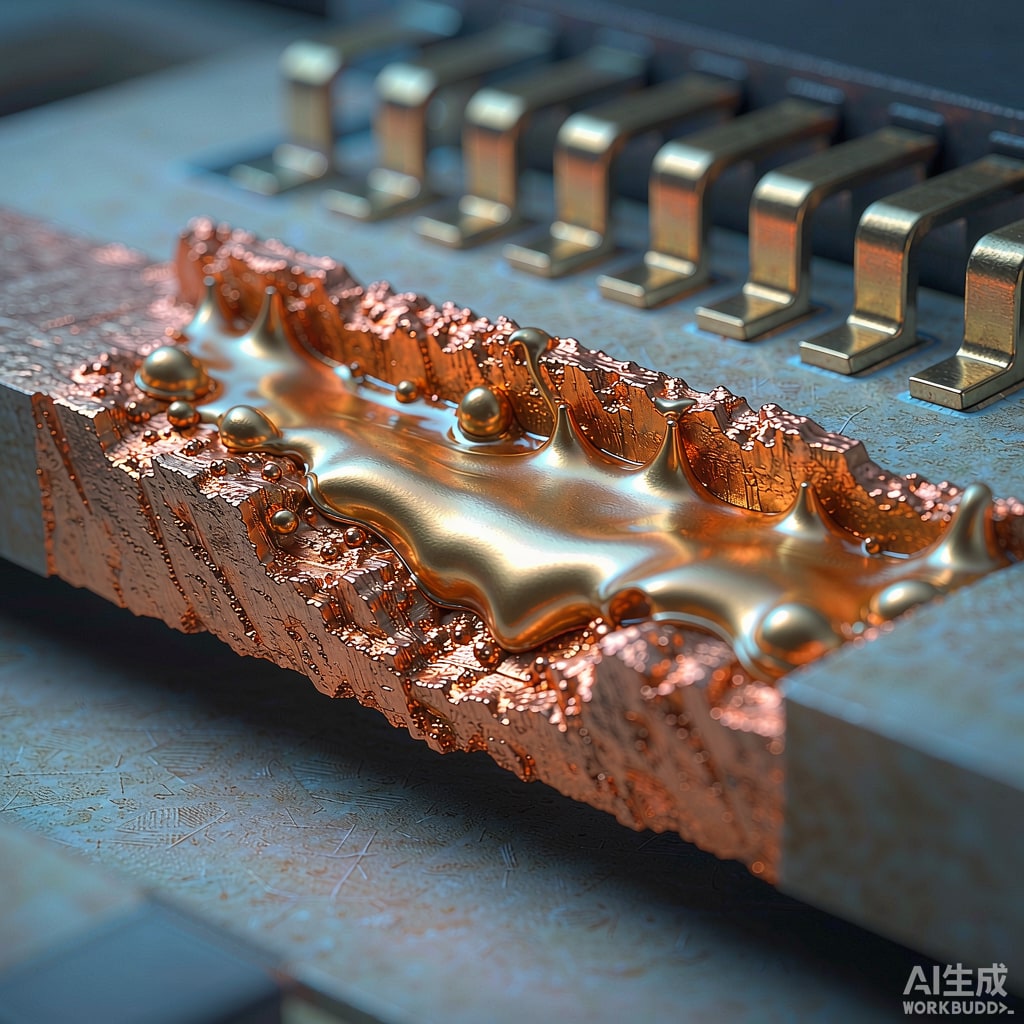
Surface roughness on copper strip is one of the most under-specified parameters in SMT co
ector and terminal manufacturing. While alloy, temper, and thickness usually dominate procurement discussions, the microscopic texture of the strip surface governs how solder wets, flows, and bonds during reflow. Poor roughness control can produce insufficient wetting, voiding, or brittle intermetallic layers that compromise electrical and mechanical reliability.
Why Surface Roughness Matters for Solderability
Solder wetting is driven by capillary forces and intermetallic formation between the molten solder and the base metal. A controlled roughness profile increases the effective surface area and provides mechanical anchoring for the solder, promoting faster wetting and a stronger bond. However, if the surface is too rough, solder may bridge between peaks without fully penetrating the valleys, trapping flux residues and creating voids. If the surface is too smooth, wetting can be slow and the joint may be prone to dewetting or pad lifting under thermal cycling.
The Role of Ra and Rz
Ra (arithmetic average roughness) and Rz (mean peak-to-valley height) are the two most common metrics used on copper strip datasheets. For SMT stamping applications, an Ra between 0.3 µm and 0.8 µm and an Rz between 2 µm and 5 µm generally provides the best balance. Values below Ra 0.2 µm often indicate an overly polished or oxide-contaminated surface, while Rz values above 7 µm may retain rolling oil or tarnish in deep valleys, degrading solderability.
How Surface Texture Is Created
Copper strip roughness originates from the rolling process and any subsequent surface treatment. Cold rolling with textured work rolls transfers a micro-pattern to the strip. Additional processes such as brushing, micro-etching, or chemical cleaning can modify the profile. Stampers should request a surface profile report with each coil and verify consistency across batches, especially when switching suppliers or temper grades.
Oxide and Tarnish Interaction
Roughness must be considered together with surface chemistry. A rough surface with copper oxide or sulfide tarnish will not solder well, regardless of its mechanical profile. Many manufacturers specify a light micro-etch or an anti-tarnish treatment after slitting to clean the surface and stabilize it during storage. The combination of clean chemistry and controlled roughness is what delivers repeatable solderability.
Specifying Roughness for SMT Contacts
When writing a purchase specification for SMT copper strip, include the following roughness requirements:
- Ra target range and tolerance, typically ±0.15 µm
- Rz maximum to prevent deep valley trapping
- Measurement direction, either longitudinal or transverse to rolling
- Reference standard, such as ISO 4287 or ASME B46.1
- Sampling plan per coil or per lot
It is also useful to tie roughness to a solderability acceptance test, such as wetting balance per IPC-J-STD-002 or a reflow spread test using SAC305 paste.
Correlation with Plating Layers
Most SMT copper strips receive a nickel, tin, or gold plating layer that alters the effective surface profile. Nickel underplates tend to level minor asperities, while matte tin can preserve or even exaggerate the substrate texture. When specifying plated strip, define the final surface roughness after plating rather than before, and require the supplier to control both substrate texture and plating morphology.
Common Defects and Their Causes
Insufficient wetting along stamped edges often signals excessive oxide in rough valleys or insufficient roughness on the contact face. Solder balling near terminals can occur when the roughness is too high and paste volume is excessive. Inconsistent wetting across a reel may indicate roll-mark transfer or oil residue from the rolling lubricant.
Measurement Best Practices
Use a contact or optical profilometer with a small stylus radius to capture fine surface detail. Measure at least three locations per sample, avoiding areas with visible scratches or edge effects. Record Ra, Rz, Rmax, and the bearing area curve to understand how much of the surface participates in solder contact. For high-volume production, consider automated optical inspection of wetting after reflow as a proxy for roughness consistency.
Conclusion
Copper strip surface roughness is a critical but often overlooked factor in SMT solderability. By specifying Ra and Rz ranges that match your solder paste and reflow profile, validating surface cleanliness, and correlating roughness with wetting tests, you can reduce rework, improve joint reliability, and avoid field failures in co
ectors and terminals.



