Brass Strip in Modern SMT Assemblies
While high-purity copper and beryllium copper dominate current-carrying SMT components, brass strip plays an equally important role in shielding, mechanical, and aesthetic applications. From board-level shielding cans and co
ector housings to decorative trim on consumer electronics, brass offers a unique combination of corrosion resistance, formability, and cost-effectiveness that pure copper ca
ot match.
Brass is a copper-zinc alloy family whose properties shift with zinc content. By selecting the right composition and temper, engineers can tailor brass strip for deep drawing, bending, soldering, and plating. This article explains how the most common brass grades perform in surface-mount assemblies.
Common Brass Strip Grades for Electronics
Cartridge Brass C26000 (70/30)
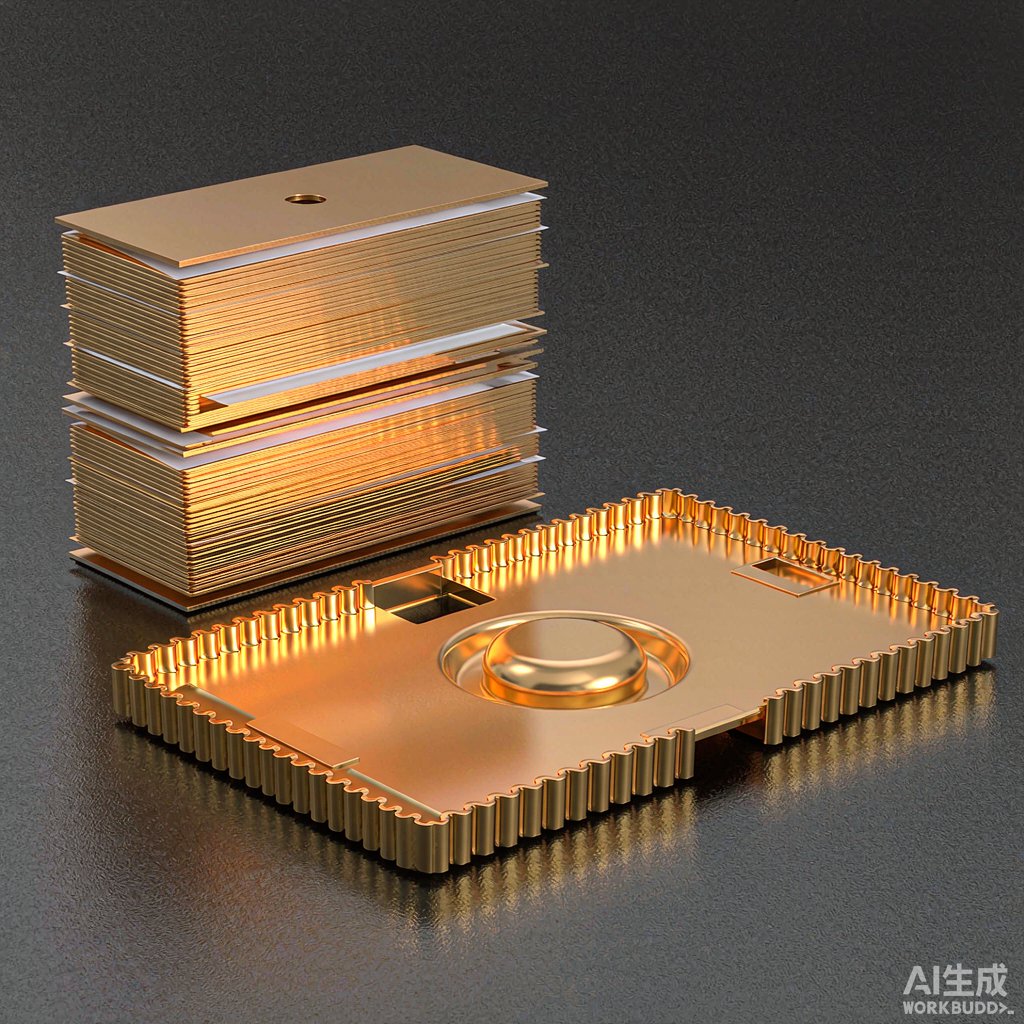
C26000, also known as cartridge brass or 70/30 brass, contains about 70% copper and 30% zinc. It offers excellent cold-working characteristics and the highest ductility among the standard brasses. C26000 strip is widely used for deep-drawn shielding cans, battery contacts, and lamp housings. Its electrical conductivity is around 28% IACS, lower than copper but sufficient for non-current-carrying shielding tasks.
Yellow Brass C26800 and C27000
C26800 and C27000 contain 65% and 63% copper respectively. Slightly lower copper content gives them a warmer yellow color preferred for decorative trim on appliances and audio equipment. Both grades still form and solder easily, and their spring characteristics suit co
ector shells where high conductivity is not required.
Yellow Brass C27200 and C28000 (Muntz Metal)
C27200 (33% zinc) and C28000, known as Muntz metal (40% zinc), are used where maximum strength is needed. C28000 strip is often chosen for architectural trim, kick plates, and structural shielding. The trade-off is reduced ductility; tight bend radii can cause cracking if the temper is not properly selected.
Mechanical Properties and Temper Selection
Common Tempers
Brass strip is supplied in tempers from soft a
ealed (O60) through quarter-hard (H01), half-hard (H02), three-quarter hard (H03), full hard (H04), extra hard (H06), and spring hard (H08). For SMT shielding cans that must survive automated pick-and-place and wave soldering, half-hard (H02) is a typical compromise between formability and stiffness.
Springback and Bend Radius
Springback in brass is greater than in pure copper because of its higher elastic modulus. Designers should plan bend radii at least equal to the strip thickness and add a 2 to 3 degree overbend in tooling. Tight 90 degree bends below 0.2 mm radius can cause orange peel or micro-cracks.
Shielding and Surface Finishing
Tin, Nickel, and Bright Nickel Plating
Brass shields and co
ector housings are routinely plated with tin, bright tin, or nickel to improve solderability and prevent dezincification. A 2 to 5 micron nickel underplate is common, followed by 0.5 to 1.5 microns of tin or gold. This plating system survives lead-free reflow profiles up to 260 degrees Celsius.
Dezincification and Stress Corrosion
High-zinc brasses can suffer dezincification in humid environments, where zinc selectively leaches and leaves a porous copper structure. For SMT assemblies exposed to moisture or salt spray, specifying inhibited grades such as C26000 with a small arsenic addition, or using C26800, reduces this risk. Avoid C28000 in corrosive environments unless additional plating protection is applied.
SMT-Specific Manufacturing Considerations
Solderability and Reflow Compatibility
Brass is readily solderable with tin-lead and SAC lead-free alloys when fresh plating is present. Over time, brass tarnishes; pre-ti
ed or pre-plated strip is recommended for SMT feeder reliability. Brass shielding cans that mount via through-hole pins require post-reflow selective soldering or wave soldering because the brass mass acts as a thermal sink.
Stamping Tolerances
Progressive die stamping of brass strip for SMT shielding typically holds plus or minus 0.025 mm on critical dimensions. For tight-tolerance co
ector housings, fine blanking or chemical etching produces edges with less burr. Burr height above 0.05 mm can interfere with pick-and-place nozzles and should be specified as a controlled characteristic.
Selecting Brass Strip for Your SMT Application
Begin by defining the role of the part in the assembly. Use C26000 for deep-drawn shielding cans and battery contacts, C26800 or C27000 for decorative trim, and C28000 for structural brackets. Match temper to the forming operation: soft a
ealed for severe draws, half-hard for moderate bending, and full hard for springs and snap-fits. Specify pre-plated finishes whenever the assembly will pass through reflow or wave soldering, and avoid high-zinc grades in corrosive environments.
For SMT applications where both shielding effectiveness and aesthetics matter, brass strip remains a versatile, cost-effective choice. With the right grade, temper, and plating system, brass components deliver reliable performance and a high-quality finish throughout the product life.