Copper-nickel-silicon alloys (CuNiSi), designated as C70250 under ASTM B422, have emerged as a premier material for high-performance SMT co
ector contacts demanding exceptional strength, conductivity, and thermal stability. Unlike dispersion-strengthened copper or beryllium copper, C70250 achieves its remarkable mechanical properties through spinodal decomposition—a solid-state phase separation that creates a nanoscale periodic microstructure without requiring cold work. This article examines the metallurgy, processing parameters, and application considerations for C70250 strips in SMT co
ector manufacturing.
Spinodal Decomposition: The Hardening Mechanism
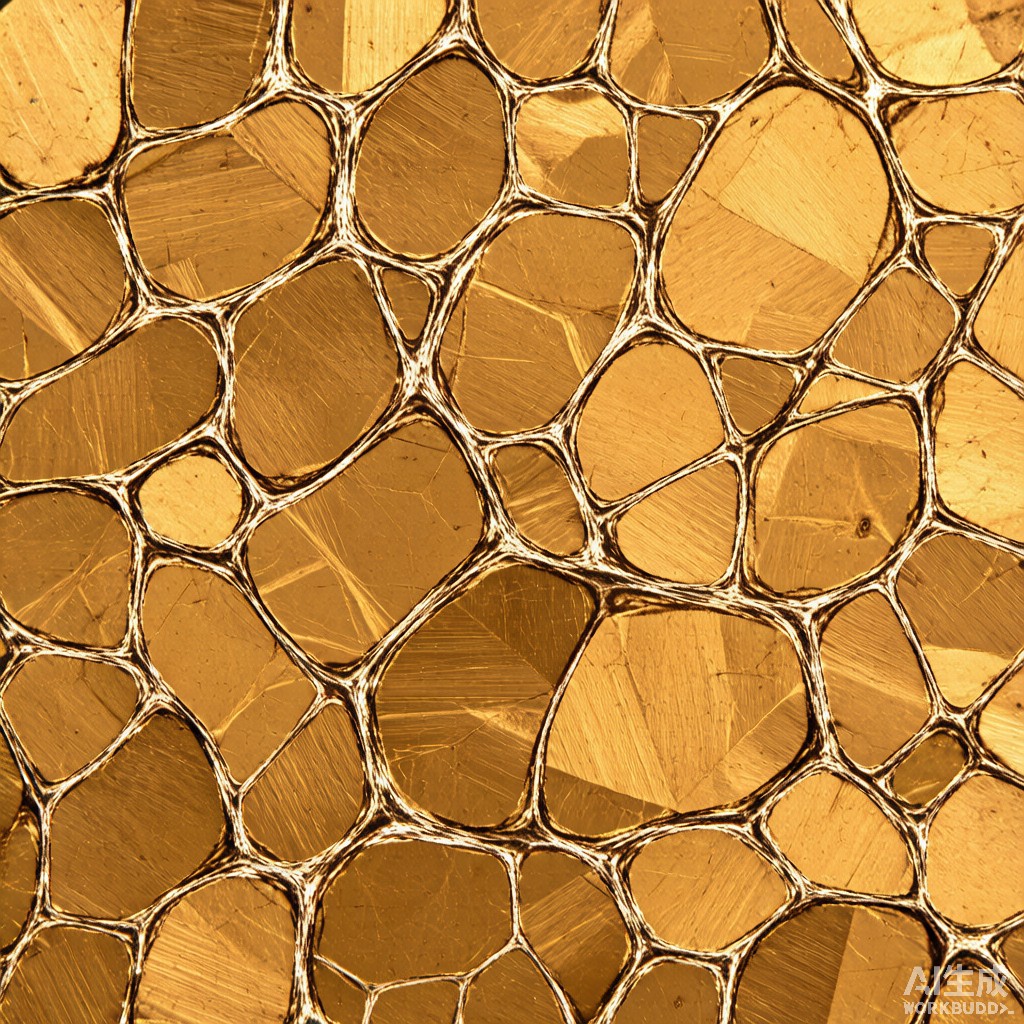
C70250 (nominal composition Cu-3.0Ni-0.65Si-0.15Mg) derives its strength from a unique metallurgical phenomenon. When the homogenized alloy is aged at 450–500°C for 2–8 hours, the supersaturated solid solution undergoes spinodal decomposition, forming alternating nickel-rich and copper-rich regions at the nanometer scale (5–10 nm wavelength). Subsequently, metastable Ni₂Si precipitates nucleate within the nickel-rich zones, growing coherently with the copper matrix.
Two-Stage Strengthening Process
The hardening response occurs in two distinct stages:
- Stage 1 (Spinodal, 0.5–2h at 480°C): Modulated structure forms, contributing approximately 200–250 MPa of strength through coherency strain hardening.
- Stage 2 (Precipitation, 2–8h at 480°C): Ni₂Si precipitates grow to 5–15 nm diameter, adding 350–450 MPa through Orowan dislocation bypass strengthening.
The combined effect yields peak hardness of 280–320 HV and yield strength of 750–850 MPa, rivaling beryllium copper (C17200) without the occupational health and regulatory concerns associated with beryllium.
Heat Treatment Parameters and Property Development
Solution Treatment
The as-rolled strip is solution-treated at 900–950°C for 15–30 minutes, dissolving all Ni and Si into the copper matrix. Rapid water quenching preserves the supersaturated condition. Critical parameters include:
- Temperature uniformity: ±5°C across the strip width
- Quench delay: <3 seconds to prevent premature precipitation
- Atmosphere: Hydrogen or vacuum to prevent surface oxidation
Aging Response Curve
The aging temperature critically affects both peak hardness and the time to reach it:
| Aging Temp (°C) | Peak Hardness (HV) | Time to Peak (h) | YS (MPa) | Conductivity (% IACS) |
|---|---|---|---|---|
| 425 | 295 | 8–12 | 780 | 35 |
| 450 | 315 | 4–6 | 820 | 38 |
| 480 | 310 | 2–4 | 800 | 40 |
| 500 | 285 | 1–2 | 720 | 43 |
| 525 | 255 | 0.5–1 | 650 | 48 |
The trade-off between strength and conductivity is apparent: higher aging temperatures accelerate precipitation but reduce dislocation density and coherency strains. For SMT co
ector contacts requiring both mechanical strength and current-carrying capacity, 480°C for 2–4 hours represents the optimal window, delivering 800 MPa yield strength at 40% IACS conductivity.
Stress Relaxation Resistance at Elevated Temperatures
One of the most critical properties for SMT co
ector contacts is stress relaxation resistance—the ability to maintain contact force during thermal exposure. C70250 excels in this metric due to the thermally stable Ni₂Si precipitates that pin dislocation movement.
Comparative Stress Relaxation Data
Stress remaining after 1000 hours at temperature, initial stress = 80% of yield strength:
| Alloy | 150°C | 200°C | 250°C |
|---|---|---|---|
| C70250 (peak aged) | 92% | 85% | 72% |
| C19400 (CuFe2P) | 78% | 58% | 35% |
| C26000 (Cartridge Brass) | 65% | 40% | 15% |
| C51000 (Phosphor Bronze) | 82% | 65% | 42% |
| C17200 (BeCu, peak aged) | 95% | 90% | 78% |
At 200°C, C70250 retains 85% of its initial contact force, outperforming phosphor bronze by 20 percentage points and brass by 45 points. This property is essential for co
ectors in automotive engine compartments, industrial power electronics, and LED lighting modules where junction temperatures routinely exceed 150°C.
Stamping and Forming Considerations
Temper Selection for Progressive Die Operations
C70250 strip is supplied in several tempers. The solution-treated (TB00) condition offers maximum formability for complex stamping operations, with subsequent aging providing the final strength. For simpler geometries, pre-aged (TF00) strip at 260–300 HV can be stamped directly, though tool wear increases significantly.
Post-Stamp Aging Strategy
The recommended manufacturing sequence for high-reliability SMT contacts:
- Stamp contacts from solution-treated C70250 strip (150–180 HV, elongation 15–20%)
- Form contact beams and spring geometries
- Clean and degrease stamped parts
- Age at 480°C for 3 hours in protective atmosphere
- Apply nickel underplate (1.5–3.0 μm) and gold flash (0.05–0.1 μm)
This post-stamp aging approach achieves full strength in the finished contact while avoiding the high forming forces and tool wear associated with stamping pre-hardened material. Tool life for solution-treated C70250 is comparable to C26000 brass, typically 500,000–1,000,000 strokes between sharpening for progressive carbide tooling.
Comparison with Alternative High-Strength Copper Alloys
| Property | C70250 | C17200 (BeCu) | C19400 | C51000 (Ph. Bronze) |
|---|---|---|---|---|
| Yield Strength (MPa) | 800 | 830 | 540 | 550 |
| Conductivity (% IACS) | 40 | 22 | 65 | 15 |
| Stress Relax. 200°C/1000h | 85% | 90% | 58% | 65% |
| Formability (solution trtd) | Excellent | Good | N/A | Fair |
| Cost Relative Factor | 1.3× | 3.5× | 1.0× | 1.1× |
| RoHS / REACH | Compliant | Restricted (Be) | Compliant | Compliant |
C70250 occupies a sweet spot: it delivers 96% of BeCu’s strength at 37% of the cost, with 1.8× the conductivity and full environmental compliance. For SMT co
ector applications where the operating temperature exceeds 150°C and RoHS compliance is mandatory, C70250 is increasingly the material of choice.
Southeast Asian Manufacturing Considerations
For SMT co
ector manufacturers in Vietnam, Thailand, and Malaysia, C70250 processing requires attention to tropical climate factors:
- Aging atmosphere: High humidity (>75% RH) in Southeast Asian facilities can cause surface oxidation during aging. Use of nitrogen-purged batch furnaces with <−40°C dew point prevents tarnish formation that would interfere with subsequent plating.
- Inter-stage storage: Solution-treated strip is highly susceptible to natural aging at room temperature, gaining 30–50 HV over 30 days. Maintain FIFO inventory and process stamped parts within 7 days for consistent results.
- Plating compatibility: The Ni₂Si precipitates at grain boundaries can create preferential etching during acid pretreatment. Use mild sulfuric acid activation (5–10% v/v, 20–30 seconds) rather than aggressive hydrochloric acid pickling.
Conclusion
C70250 copper-nickel-silicon alloy represents a compelling solution for SMT co
ector contacts operating in demanding thermal environments. Its spinodal decomposition hardening mechanism delivers 800+ MPa yield strength with 40% IACS conductivity, while maintaining 85% contact force retention at 200°C. The post-stamp aging strategy enables complex contact geometries without compromising final mechanical properties. As the electronics industry moves toward higher operating temperatures and stricter environmental regulations, C70250 provides a beryllium-free, RoHS-compliant alternative that bridges the performance gap between conventional copper alloys and beryllium copper.