Why Tin-Plated Copper Strip for SMT Fuse Clips and Busbar Tabs?
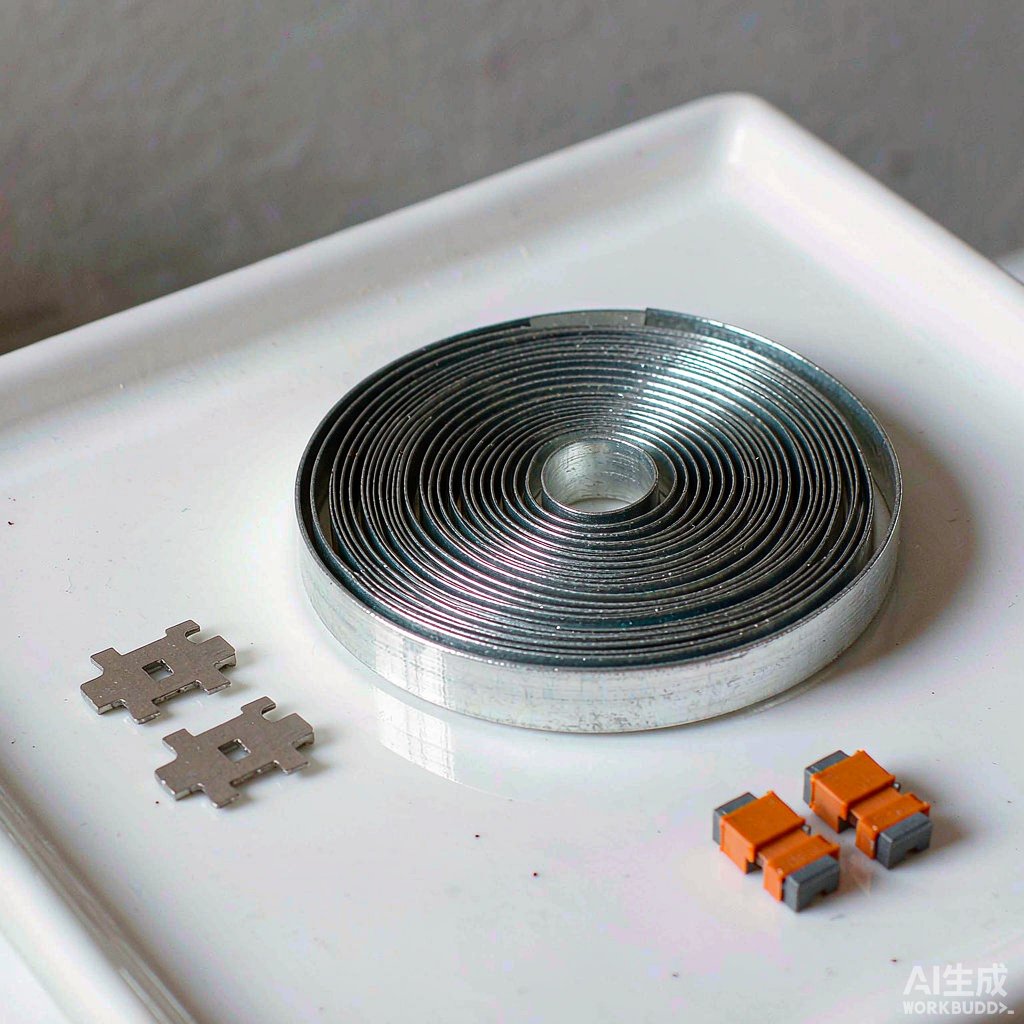
In surface-mount electronics, every milliohm and every solder joint matters. Tin-plated copper strip bridges the gap between bare copper’s excellent conductivity and the harsh realities of reflow soldering, field corrosion, and repetitive mating. It is the material of choice for SMT fuse clips, low-voltage busbar tabs, blade terminals, and power distribution shunts where a reliable solderable surface is mandatory.
Unlike bare copper, which tarnishes within hours in humid or sulfurous atmospheres, a thin tin coating protects the base metal while preserving solderability for months or years. The combination of high-conductivity copper substrate and low-cost tin finish makes tin-plated strip one of the most cost-effective performance upgrades in power electronics.
Substrate Selection: C11000 vs C10200
ETP Copper C11000
Electrolytic tough pitch copper C11000 offers conductivity of 100% IACS or higher and is the default substrate for stamped fuse clips and busbar tabs. It is economical, readily available, and forms cleanly in progressive dies. The oxygen content in ETP copper is generally acceptable for plating and reflow applications below about 200 degrees Celsius continuous service.
OFHC Copper C10200
For high-reliability automotive, aerospace, or vacuum-sealed applications, oxygen-free high-conductivity C10200 eliminates the risk of hydrogen embrittlement during brazing or high-temperature operation. OFHC also yields a smoother as-plated surface that supports thi
er tin coatings without porosity concerns.
Tin Plating Types and Thickness
Matte Tin vs Bright Tin
Matte tin, deposited from sulfate or methanesulfonate baths, has a fine-grain structure and is preferred for electronics because it minimizes whisker growth risk and provides consistent solderability. Bright tin, with organic leveling agents, offers a reflective cosmetic finish but can be more prone to whisker formation under compressive stress. For functional SMT terminals, matte tin is usually specified.
Plating Thickness Guidelines
Common tin plating thicknesses range from 3 to 10 microns. For SMT fuse clips that will be soldered once and remain static, 3 to 5 microns is sufficient. For busbar tabs exposed to outdoor or under-hood environments, 7 to 10 microns provides longer corrosion protection and multiple rework cycles. Thi
er coatings below 2 microns may exhibit pinholes that expose copper to atmospheric attack.
Underplates and Barrier Layers
A nickel underplate 1 to 2 microns thick is often applied between copper and tin to block copper diffusion into the tin layer. Without a barrier, copper-tin intermetallic growth can deplete the free tin layer and degrade solderability during long storage. Nickel also improves wear resistance on contact surfaces that slide during fuse insertion.
Solderability and Reflow Compatibility
Tin-plated copper strip solderability is excellent with both SAC305 lead-free and Sn63/Pb37 eutectic alloys. The coating melts and alloys with the solder paste during reflow, forming a reliable Cu-Sn intermetallic bond. Because the strip itself carries a solderable surface, flux activity requirements are modest; no-clean fluxes are commonly used.
Designers should account for the higher reflow temperatures of lead-free profiles, which can accelerate intermetallic growth. Keeping peak temperature close to the recommended 245 to 250 degrees Celsius and minimizing time above liquidus preserves long-term joint integrity.
Corrosion and Environmental Protection
Tin offers sacrificial protection to copper in most environments. In salt spray testing per ASTM B117, properly plated tin coatings can withstand 24 to 96 hours before red rust or base-metal corrosion appears, depending on thickness and underplate. For marine or tropical Southeast Asian climates, specify thicker tin or post-plate chromate-free passivation treatments to extend service life.
Design and Sourcing Recommendations
When sourcing tin-plated copper strip for SMT fuse clips and busbar tabs, specify substrate alloy, temper, plating type, thickness, and any required underplate. Common tempers include 1/4 hard (H01) for easy forming and 1/2 hard (H02) for spring retention in fuse clips. Request solderability testing per IPC-J-STD-002 or MIL-STD-202 Method 208 to validate wetting performance against your reflow profile.
Tin-plated copper strip remains one of the simplest ways to improve reliability in low-voltage power distribution. The right plating thickness and substrate combination deliver low contact resistance, strong solder joints, and years of corrosion-free service.