Surface-mount technology co
ectors must survive lead-free reflow temperatures while maintaining tight pin-to-pin dimensions and electrical insulation. The housing material is therefore critical. Polybutylene terephthalate reinforced with 30% glass fiber and flame-retardant additives, commonly known as PBT-GF30 FR, is one of the most trusted choices for SMT co
ector housings. This article explains the properties, grades, and processing considerations of this modified plastic pellet material.
Why PBT for SMT Co
ectors
PBT is a semi-crystalline thermoplastic polyester. Compared to amorphous materials like polycarbonate or ABS, it offers better chemical resistance, lower moisture uptake, and faster molding cycles. Its crystalline structure gives it high stiffness and good dimensional stability, even at elevated temperatures. For electronics manufacturers, these traits translate into reproducible part dimensions and reliable assembly.
Unfilled PBT has a heat deflection temperature around 60°C at 1.8 MPa, which is too low for reflow soldering. Adding 30% short glass fiber raises the heat deflection temperature to approximately 200–210°C, well above typical lead-free reflow peak temperatures of 245–260°C. This prevents housing deformation, pin skew, and solder joint opens during assembly.
Mechanical and Thermal Properties
Typical PBT-GF30 properties include:
- Tensile strength: 130–150 MPa
- Flexural modulus: 8,000–10,000 MPa
- Heat deflection temperature: 200–215°C at 1.8 MPa
- Coefficient of linear thermal expansion: 20–30 x 10⁻⁶ /K in the flow direction
- Dielectric strength: 20–30 kV/mm
- Comparative tracking index: 250–600 V depending on grade
The glass fiber reduces shrinkage and warpage but also creates anisotropic behavior. Parts may shrink differently in the flow direction versus the cross-flow direction. Gate location and wall thickness uniformity become important design variables.
Flame Retardancy and Environmental Compliance
Most electronic co
ector applications require UL94 V-0 rating at 0.4–0.8 mm wall thickness. Traditional PBT-GF30 achieved this with brominated flame retardants and antimony trioxide. While effective, halogenated systems face regulatory pressure under RoHS, REACH, and customer green procurement policies.
Modern halogen-free PBT-GF30 FR grades use phosphorus-nitrogen intumescent systems or metal phosphinates. These can reach UL94 V-0 with reduced smoke and corrosive gas emissions. Trade-offs include slightly lower CTI values and potential plate-out during molding, so selecting a reputable compounder matters.
Reflow and Moisture Sensitivity
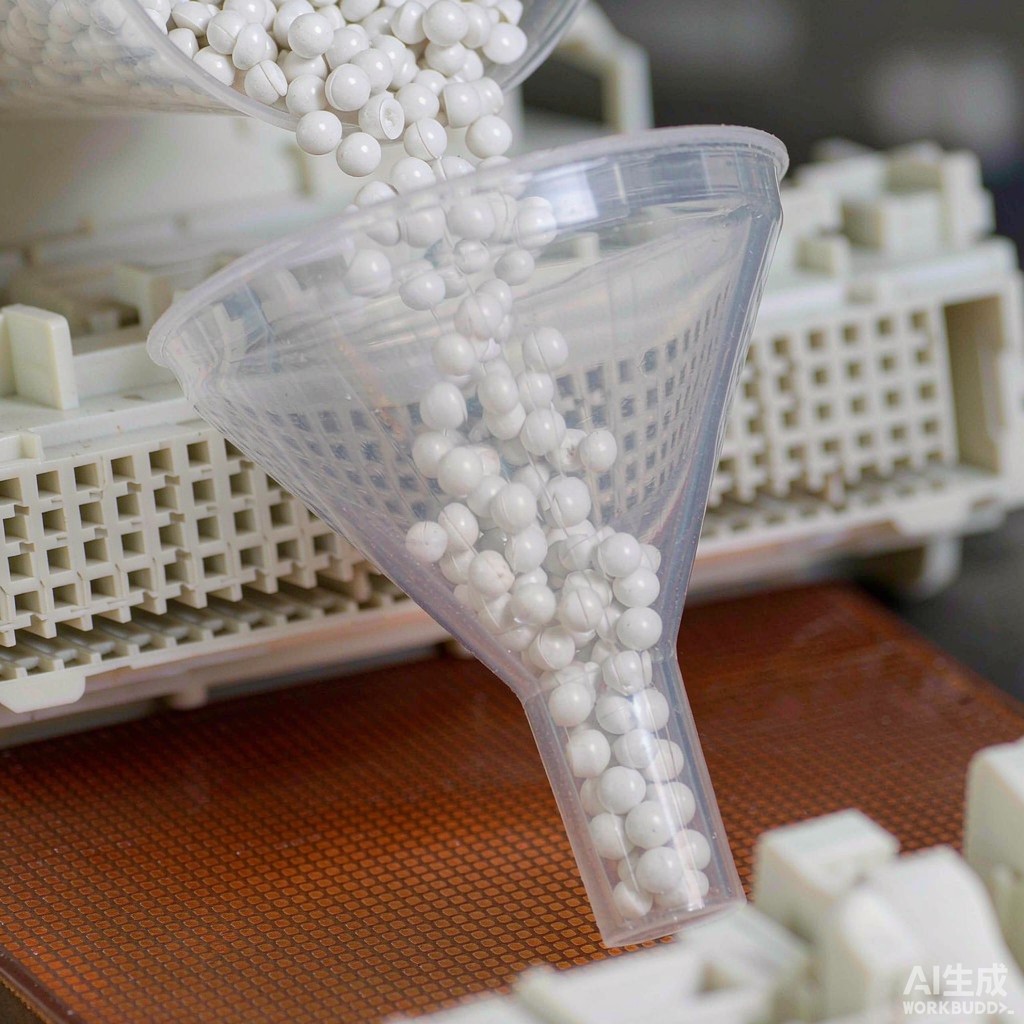
PBT is hygroscopic, though less so than nylon. Pellets typically arrive with moisture content below 0.05%. Before injection molding, drying at 120–140°C for 3–4 hours is standard practice to prevent hydrolytic degradation and surface defects.
Molded housings should be stored in dry packaging if they will be exposed to high humidity before reflow. Some grades are classified as moisture sensitivity level 3, meaning floor life limits of 168 hours at 30°C/60% RH after opening the moisture barrier bag. Exceeding this limit can cause blistering or cracking during reflow.
Injection Molding Parameters
Typical processing windows for PBT-GF30 FR are:
- Melt temperature: 250–270°C
- Mold temperature: 60–100°C
- Injection speed: moderate to high for thin walls
- Screw speed: 50–100 rpm to minimize fiber breakage
- Back pressure: 5–15 MPa for consistent melt
High mold temperatures improve surface gloss and crystallinity but extend cycle time. Low mold temperatures favor faster cycles but can create weld lines and lower surface quality. For co
ector housings with thin walls and fine details, a balanced ru
er system and precise venting are essential.
Color and Laser Marking
PBT-GF30 accepts pigments well. Common co
ector colors include natural, black, gray, and beige. For traceability, many manufacturers laser-mark part numbers or date codes onto the housing. Titanium dioxide or mineral fillers can be added to improve laser contrast, but these additives can affect dielectric properties and should be validated.
Comparison with PA66-GF30 and LCP
PA66-GF30 offers higher toughness and similar heat resistance but absorbs more moisture, which can cause dimensional changes and plating issues. Liquid crystal polymer provides exceptional dimensional stability and high-temperature performance for very fine-pitch co
ectors but is significantly more expensive. PBT-GF30 FR sits in the sweet spot of cost, performance, and processability for the majority of SMT co
ector applications.
Conclusion
PBT-GF30 flame-retardant modified plastic pellets deliver the heat resistance, dimensional stability, electrical insulation, and flame retardancy that SMT co
ector housings demand. By choosing the right halogen-free grade, controlling moisture, and optimizing molding parameters, manufacturers can produce reliable housings that survive lead-free reflow and years of field service. For buyers sourcing co
ector-grade modified plastics, verifying UL yellow cards, CTI ratings, and reflow test data should be standard due diligence.