Introduction: Southeast Asia’s Growing Role in Global Electronics Manufacturing
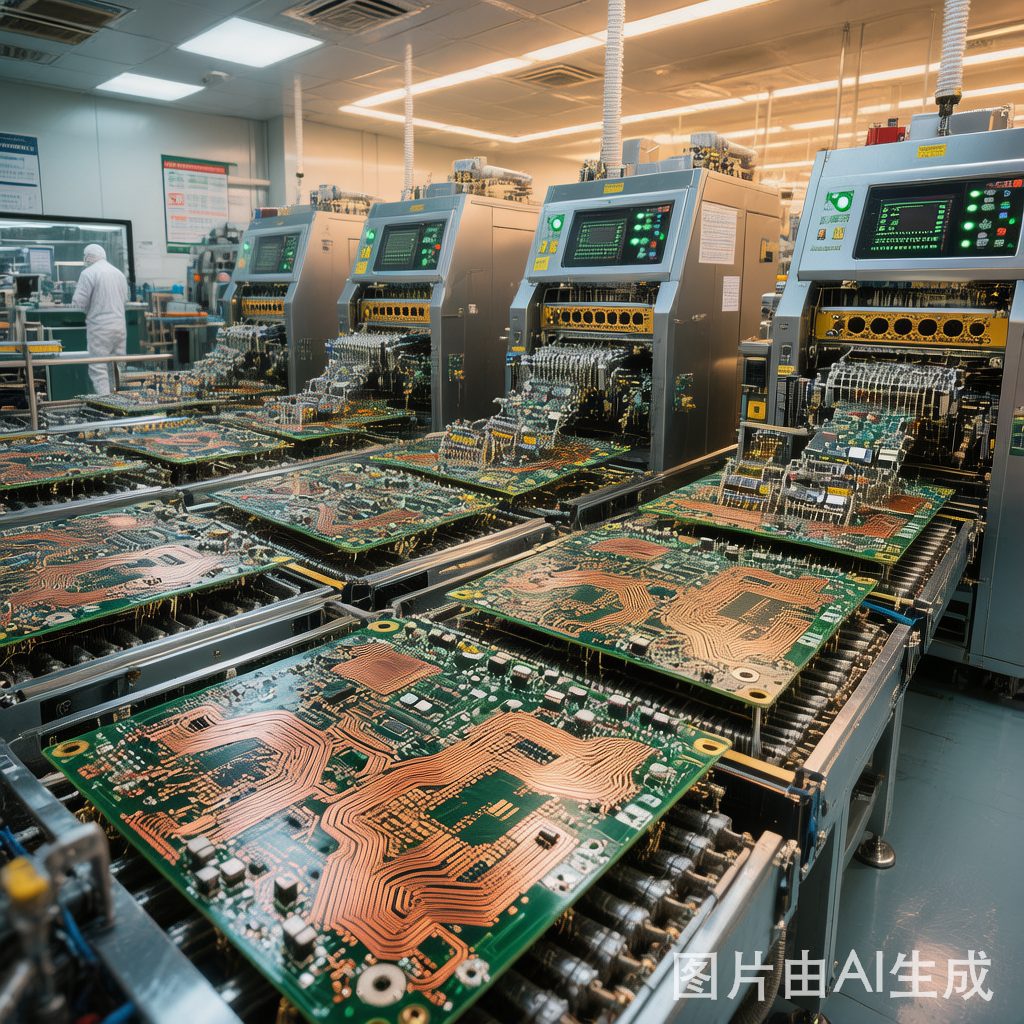
The global electronics supply chain continues evolving, with Southeast Asia emerging as a critical manufacturing hub. Countries including Thailand, Vietnam, Indonesia, Malaysia, and the Philippines have become essential locations for electronics production, offering strategic advantages for companies sourcing SMT components like copper strips and shims.
## The Rise of Southeast Asian Electronics Manufacturing
### Malaysia: Pioneer in Electronics Assembly
Malaysia established itself as a semiconductor assembly hub in the 1970s and 1980s. Penang became known as the “Silicon Valley of the East.” Today, Malaysia continues as a center for semiconductor assembly and test, automotive electronics, and consumer electronics manufacturing.
### Thailand: Automotive and Hard Drive Productio
Thailand has developed particular strength in automotive electronics manufacturing, hard disk drive production as a major global producer, and industrial electronics. The country’s established automotive industry has driven growth in automotive electronics.
### Vietnam: Rising Manufacturing StanVietnam has experienced remarkable manufacturing growth with competitive labor costs, govement support for electronics investment, favorable trade agreements, and improving infrastructure. Major companies including Samsung, LG, Intel, and Foxco
have established significant manufacturing presence.
### Indonesia: Massive Market Potential
Indonesia combines the largest population in Southeast Asia, growing middle class driving domestic demand, emerging manufacturing capabilities, and strategic geographic position.
### The China Plus One Strategy
Many electronics companies have adopted “China Plus One” strategies to diversify geopolitical risk, reduce exposure to trade tensions, access new markets, and leverage different cost structures. Southeast Asia has been the primary beneficiary.
## Sourcing SMT Copper Components in Southeast Asia
### Regional Manufacturing Capabilities
SMT copper strip production varies across the region. Taiwan-based manufacturers offer advanced metallurgical expertise, tight tolerance capabilities, comprehensive quality systems, and established supplier relationships. Chinese manufacturers offer massive production capacity, competitive pricing, and full range of specifications with variable quality levels. Southeast Asian emerging suppliers offer growing capability in Vietnam, established precision manufacturing in Thailand, and quality-focused production in Malaysia.
### Key Sourcing Considerations
Minimum Order Quantities vary significantly: Taiwan premium at 1,000-5,000 pieces with 4-6 weeks lead time, China standard at 5,000-50,000 pieces with 2-4 weeks, and Southeast Asia at 2,000-10,000 pieces with 4-8 weeks.
Quality certification should include ISO 9001 for basic quality management, IATF 16949 for automotive quality systems, ISO 14001 for environmental management, and UL certification for safety compliance.
## Strategic Sourcing Strategies
### Multi-Source Procurement
Reduce risk through strategic sourcing with primary suppliers for volume production and best pricing, secondary suppliers for redundancy and capacity backup, and quick-tu
sources for emergency requirements.
### Supplier Relationship Management
Build strong supplier partnerships through regular communication and updates, joint quality improvement initiatives, long-term commitment in exchange for priority treatment, and fair payment terms and practices.
## Market-Specific Considerations
### Thailand Market Focus
For customers serving Thai manufacturing, local suppliers reduce logistics complexity, Thai language capability simplifies communication, currency matching reduces FX exposure, and faster response to production issues. Key manufacturing regions include Easte
Seaboard (Rayong, Chonburi, Chachoengsao), Northe
Region (Chiang Mai, Lamphun), and Greater Bangkok area.
### Vietnam Market Focus
Vietnam offers lower labor costs, EVFTA and CPTPP trade agreements providing market access, growing technical capability, and political stability for predictable operations. Manufacturing clusters include Hanoi region (Bac Ninh, Bac Giang, Vinh Phuc), HCMC region (Dong Nai, Binh Duong, Long Thanh), and Hai Phong.
### Indonesia Market Focus
Indonesia’s unique characteristics include domestic market focus driven by large population, significant copper reserves for raw material access, varying infrastructure challenges, and regulatory complexity across provinces.
## Technology Trends Affecting Sourcing
### Miniaturization Requirements
SMT components continue shrinking with ultra-compact 0201 and 01005 sizes, higher density PCBs with finer trace widths and spacing, and embedded components within PCB layers.
### Advanced Plating Technologies
Emerging plating requirements include multi-layer plating for complex finish specifications, environmental compliance with RoHS and REACH regulations, and performance optimization for enhanced conductivity or durability.
### Sustainability and Compliance
Environmental requirements increase with conflict mineral reporting, carbon footprint disclosure, recycled material content, and end-of-life recycling programs.
## Conclusio
Southeast Asia offers compelling opportunities for SMT copper component sourcing. The region’s combination of manufacturing capability, strategic location, and cost competitiveness makes it essential for electronics supply chains.
Successful sourcing requires understanding regional differences, building appropriate supplier relationships, and balancing cost against quality and reliability. Companies that develop sophisticated regional sourcing strategies position themselves advantageously in the competitive global electronics market.
Partner with suppliers who understand both Southeast Asian manufacturing and your specific thermal component requirements. The right supplier relationship provides the foundation for long-term supply chain success.